
Overview
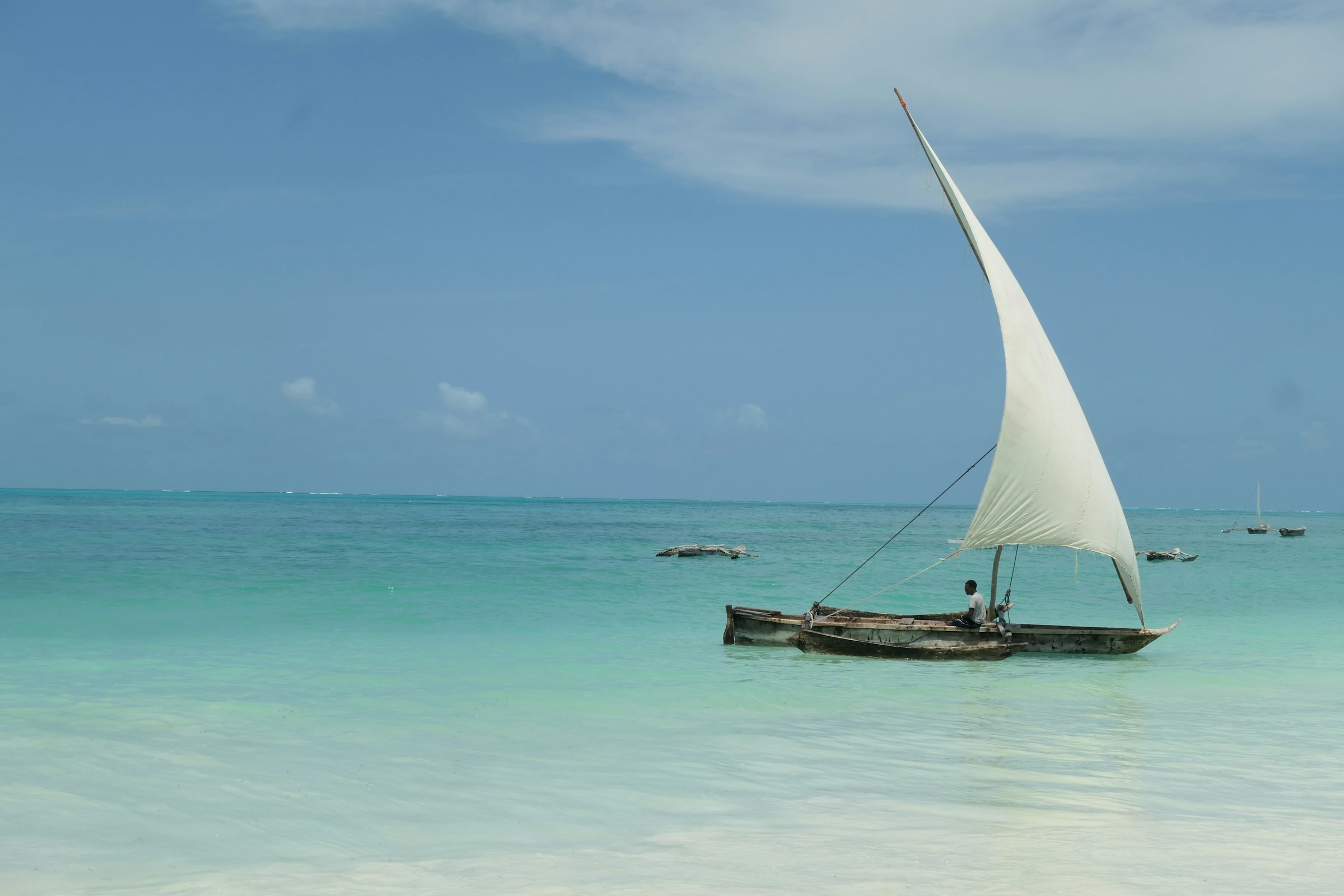
The 11-Day Safari and Zanzibar combo is the trip we recommend for travelers who want everything Tanzania does best in a single arc: a full week of safari covering all four major parks of the northern circuit, a genuine cultural encounter with one of the last hunter-gatherer peoples on earth, then four nights on a beach resort in Zanzibar to decompress, snorkel, and let the dust settle out of your hair. It is the most popular booking we have for travelers on a 'once in a lifetime' Africa trip - because eleven days is what 'once in a lifetime' actually looks like.
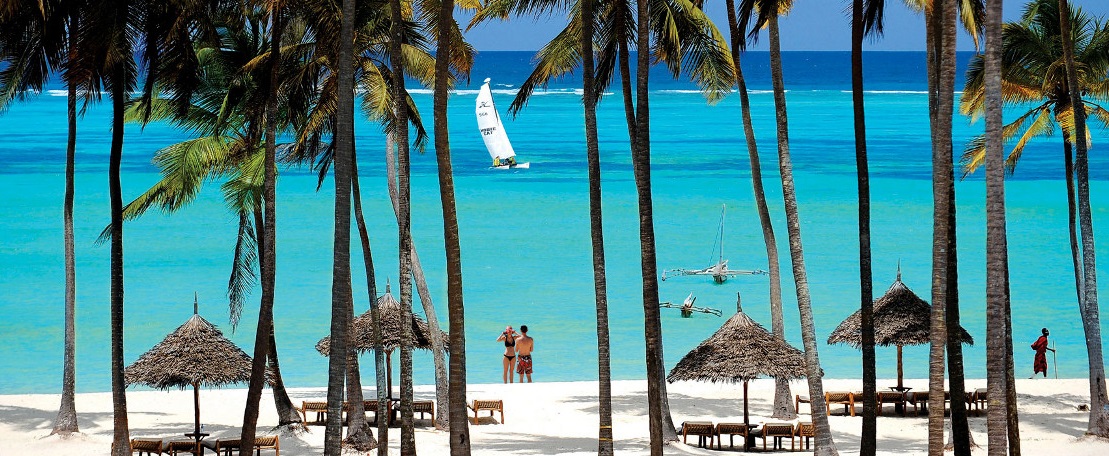
The arc: Days 1-7 are the safari proper - Tarangire (the elephant park), Lake Manyara (the small-park curiosity), Ngorongoro Crater (the Big Five day), three nights in central and southern Serengeti for the migration overlap and the predator concentrations, then a culturally significant day at Lake Eyasi with the Hadzabe people. Day 8 is a domestic flight to Zanzibar (one hour). Days 8-11 are the beach week - Stone Town spice tour, optional dhow sailing, Mnemba snorkeling, the Jozani red colobus forest, and as much or as little doing-nothing-on-the-beach as you want.
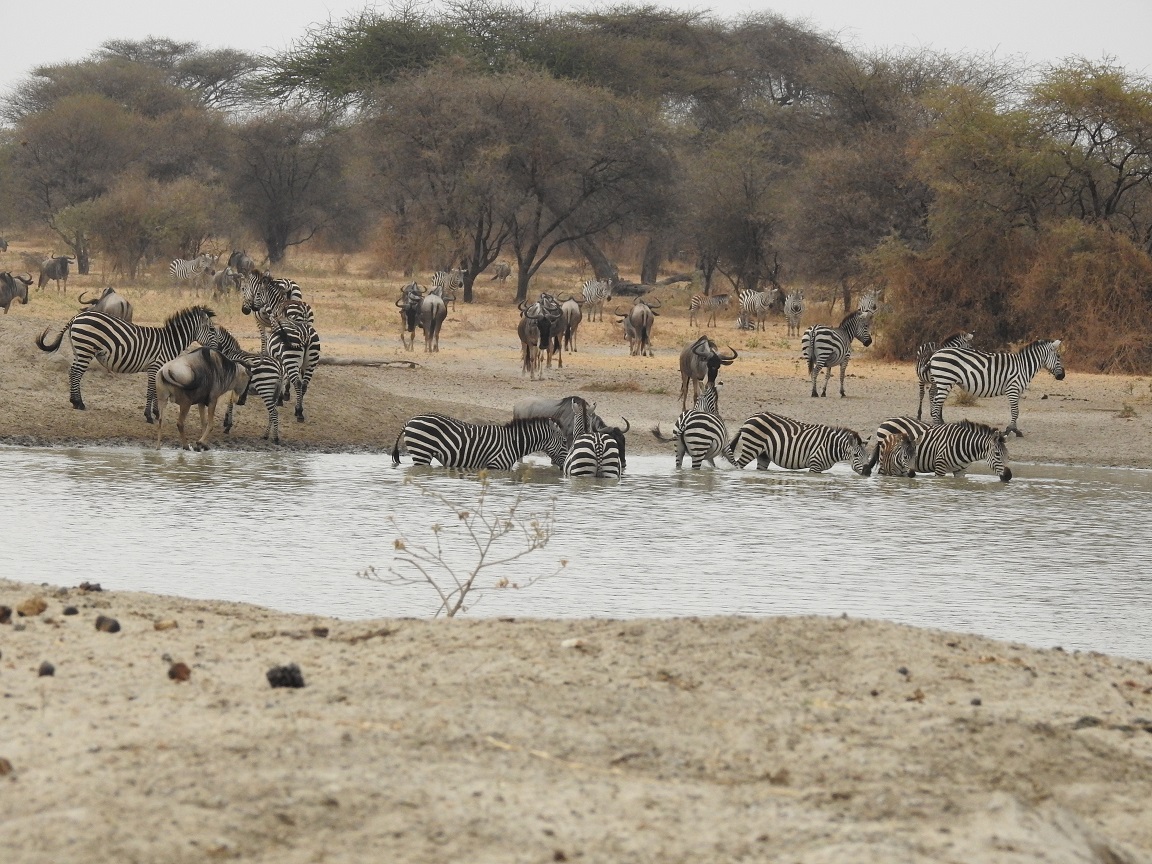
Guaranteed sightings on the safari leg: African elephant in massive herds at Tarangire (Day 1) and again at the crater (Day 6); lion in the open in the Serengeti and on the crater floor (over 95 percent); Cape buffalo, hippo, Maasai giraffe, zebra, wildebeest, and the antelope cast throughout. Spotted hyena is constant. Black rhino in Ngorongoro is around 50 percent. The Lake Eyasi day delivers something different from wildlife - a genuine encounter with the Hadzabe (one of the last surviving hunter-gatherer cultures, around 1,000 people remaining) and the Datoga blacksmiths who trade with them.
Wild cards: leopard rises to around 70 percent because you have three full Serengeti days and Tarangire's sausage trees; cheetah is around 65 percent for the same reason. African wild dog is rare but reported in the south. Marine sightings in Zanzibar add another category: red colobus monkey at Jozani is almost guaranteed; spinner dolphin at Kizimkazi is around 60 percent; green and hawksbill turtle while snorkeling at Mnemba is around 70 percent in the right season.
The payoff is variety. Most safari-only trips deliver four parks. Most beach-only trips deliver lethargy. This trip delivers both - and the meaningful cultural day at Lake Eyasi is the one most travellers cite later as the moment that gave the trip a deeper weight. After eleven days, you have done genuine Tanzania - savannah, crater, plains, migration zone, indigenous culture, Indian Ocean - and the photos on your phone fall into chapters rather than a single blur.
The arc: Days 1-7 are the safari proper - Tarangire (the elephant park), Lake Manyara (the small-park curiosity), Ngorongoro Crater (the Big Five day), three nights in central and southern Serengeti for the migration overlap and the predator concentrations, then a culturally significant day at Lake Eyasi with the Hadzabe people.
What to Expect
Eleven days is the length at which you stop being a tourist. By Day 4 you are reading the bush; by Day 7 you are sitting under a baobab tree with a Hadzabe hunter and his three-arrow quiver; by Day 9 you are floating over a coral reef with a green turtle three metres below; by Day 11 you are quietly sad on the flight home.
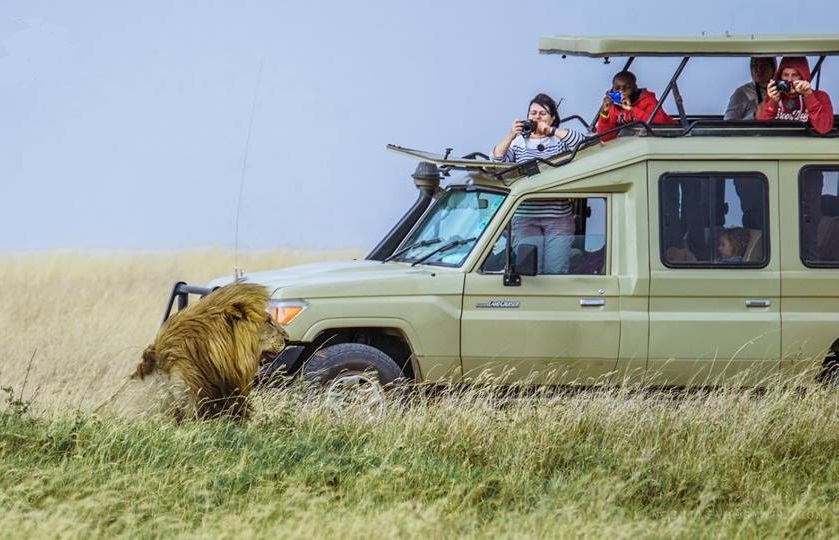
The safari week (Days 1-7) carries the usual demands: 6-8 hours daily in a Land Cruiser, dawn starts, dust, and the kind of accumulating back fatigue that surprises people. The vehicle is private, the guide is the same person all seven days, and by Day 4 they will know what you photograph and start positioning accordingly. Lodges range from comfortable (Tarangire Safari Lodge) to indulgent (Ngorongoro Crater Lodge with rococo gilt mirrors and crater views) to remote (Lake Eyasi Safari Lodge, which is genuinely rustic).
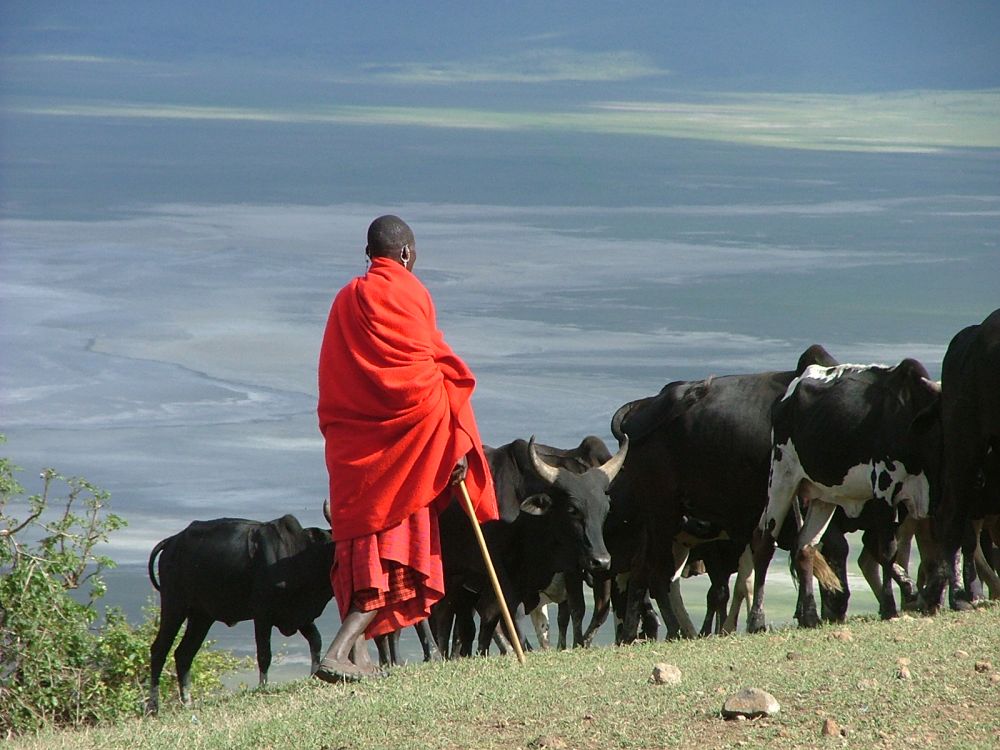
The Lake Eyasi day is the trip's most divisive and most rewarding. You leave the lodge at 5:30am to be at the Hadzabe camp at sunrise, when the men are heading out to hunt with handmade bows and poisoned arrows. The Hadzabe number around 1,000 people - the last surviving hunter-gatherer culture in Africa and one of the last on earth. The hunt is genuine; if a baboon or a hyrax is hit, it is butchered and eaten on the spot. You can walk along (quietly) or stay in camp with the women. Photos require explicit consent. Our visit pays the community directly. There is no 'exhibition' element. Some travellers find this confronting; most find it the most affecting day of the trip. We then visit the Datoga, who are the blacksmiths who trade their iron arrowheads to the Hadzabe. Back to the lodge by 11am, lunch, swim, an afternoon rest, dinner under the stars.
The flight to Zanzibar on Day 8 takes about an hour. By the afternoon, you are walking the alleys of Stone Town (the old Arab-Swahili port, UNESCO World Heritage) with a guide pointing out carved doorways, the slave market memorial, the spice markets. The next three days are however you want them: beach mornings, optional Mnemba snorkeling trip, the Jozani Forest with its red colobus, dhow sailing to Prison Island, a sunset on Stone Town's rooftops with a cocktail. Most travellers do one organised activity per day and lie on the beach for the rest. The resorts (north or east coast depending on monsoon) have white sand, palm trees, swimming pools, spas, and good seafood. The Zanzibar leg is genuinely relaxing in a way the safari days are not.
Weather varies: the safari can be cold on the Ngorongoro rim (under 10C at night), warm in the Serengeti (25-30C). Zanzibar is humid and 28-32C year-round. The long rains (mid-March to mid-May) are heavy and many resorts close; we avoid those weeks.
Eleven days is the length at which you stop being a tourist.
Itinerary
A walk through the route, with distances, hike times and where you'll sleep.
Arusha to Tarangire
Pickup from your Arusha hotel at 7:30 after breakfast and trip briefing. The 130km drive west to Tarangire takes about two hours - paved for the first hour, then red-dust graded road. Tarangire is Tanzania's quietest big park, defined by two things: enormous elephant herds (the largest in northern Tanzania) and ancient baobab trees scattered like sculpted giants across the savannah. Game drive runs through the late morning and afternoon, with a picnic lunch at a riverside site (watch vervet monkeys that will steal directly from your plate). The afternoon often produces a first lion sighting on a kopje. Exit park at 4:30 and transfer to your lodge overlooking the river - sundowner on the deck at 6:30, dinner at 7:30. Bed by 9:30 with elephant sounds carrying up from the valley below.
- Largest elephant herds in northern Tanzania
- Iconic baobab landscape
- First lion likely
Lake Manyara
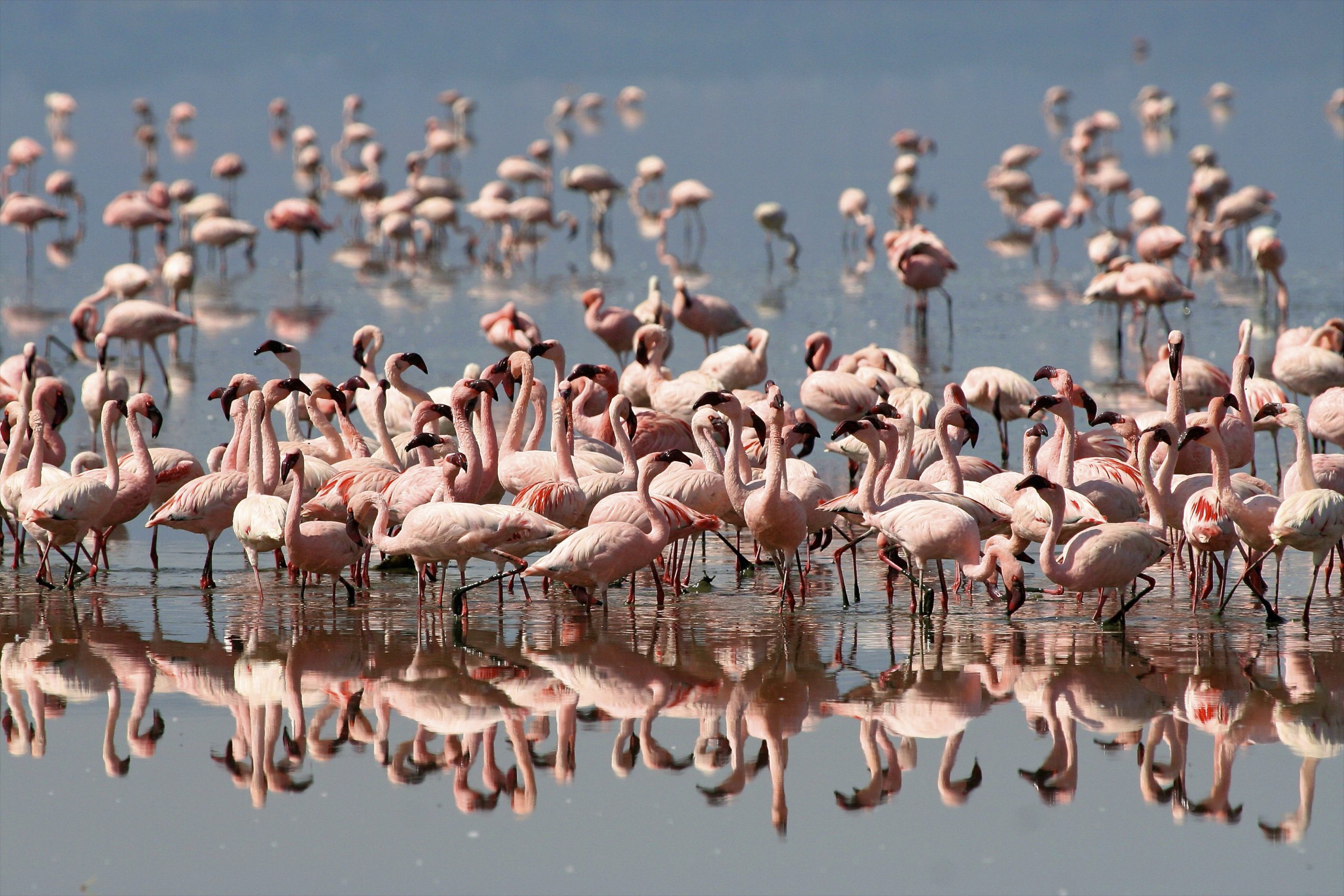
Breakfast at 7:00, depart 8:00 for the 45-minute drive to Lake Manyara Gate. Manyara is small but ecologically extraordinary - groundwater forest fed by springs from the 600m Rift wall, then acacia woodland, then the alkaline soda lake. You enter under fig trees alive with olive baboons and blue monkeys. The forest produces elephant, bushbuck, and buffalo. The lake flats deliver bird life - pelicans, marabou, fish eagle - and in November-April, flamingo flotillas. The famous tree-climbing lions are real but uncommon (around 15 percent). Lunch back at your highland lodge above the park at 1:00, afternoon rest or optional cultural walk into the Iraqw villages around Karatu. Sundowner 6:30, dinner 7:30, bed by 9:30 - tomorrow is the crater and starts early.
- Flamingos on the soda lake
- Olive baboons under fig trees
- Possible tree-climbing lions
Ngorongoro Crater
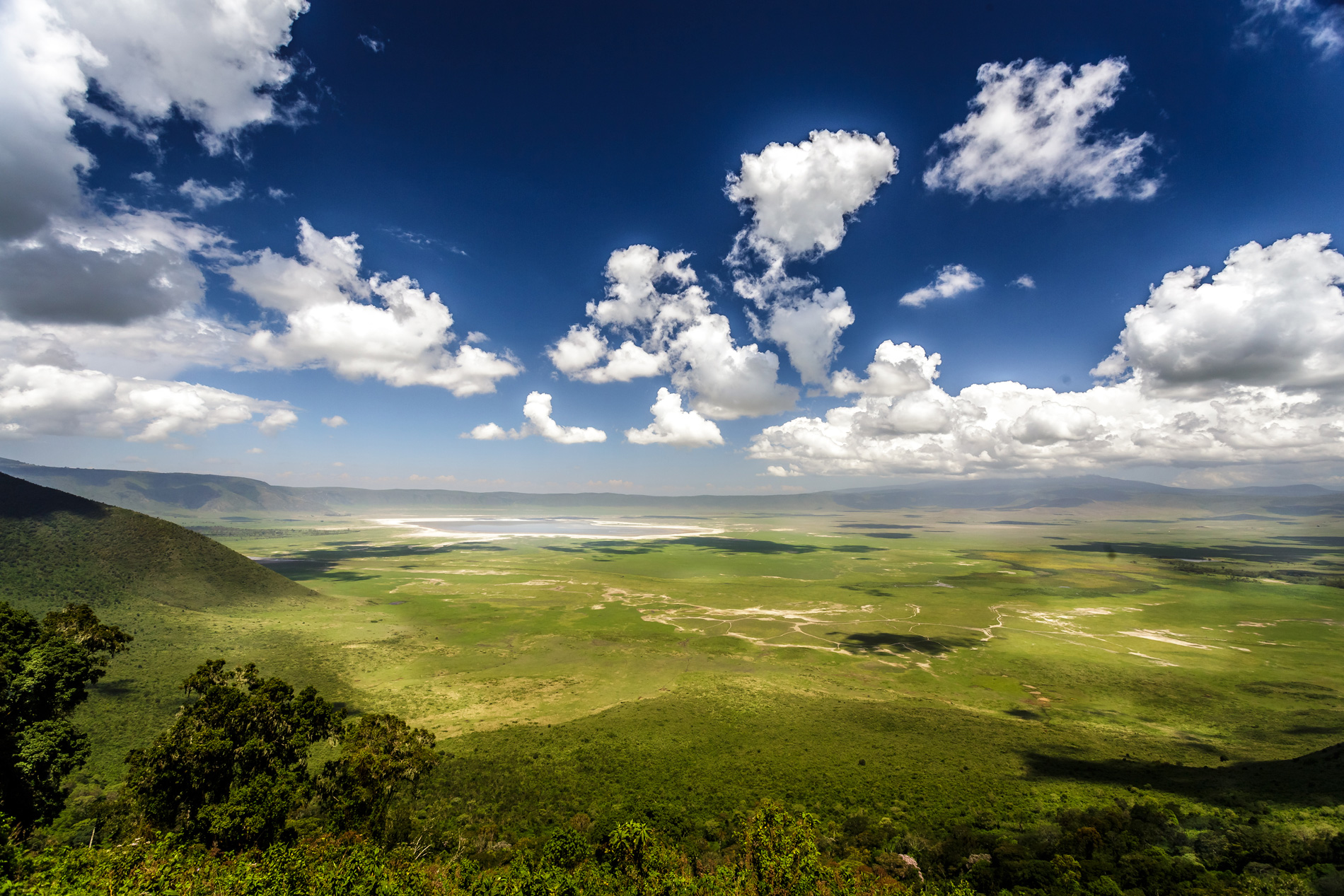
5:30 wake-up, on the road by 6:15. The descent road into the crater drops 600m in tight switchbacks; the rim sits at 2,300m and the floor at 1,700m, and the morning view is one of the trip's defining moments. By 8:00 you are on the floor for the highest concentration of large mammals on earth - 25,000 in 260 square kilometres. Resident lion prides nap in the open, sometimes in the shade of the parked vehicles. Old bull elephants live in the fever-tree forest. Cape buffalo herds graze with zebra and wildebeest. Black rhinos exist - around 30 animals - and constitute the day's Holy Grail. Picnic lunch at the hippo pool. Ascent at 2:30, then transfer 90 minutes back to the rim lodge. Sundowner overlooking the caldera, butler dinner at 7:30, fire in the suite. The rim is cold tonight.
- Dawn descent into the caldera
- All Big Five possible in one day
- Possible black rhino
Ngorongoro to Central Serengeti
Breakfast 7:00, on the road 8:00 for the transfer west into the Serengeti. The road crosses the Mbulu highlands and descends to the southeastern plains - one of the most affecting transitions in African travel as the grasslands open and the horizon flattens. Lunch at Naabi Hill, formal park entry, then afternoon game drive through the central plains towards your Serengeti lodge near Seronera. You're in cat country by 16:00 with kopjes every few kilometres. First Serengeti lion sighting is highly likely before reaching the lodge. Sundowner 18:30, dinner under the stars at 20:00.
- Crossing into the Serengeti plains
- First Serengeti lion
- Kopje landscapes
Full Day Central Serengeti
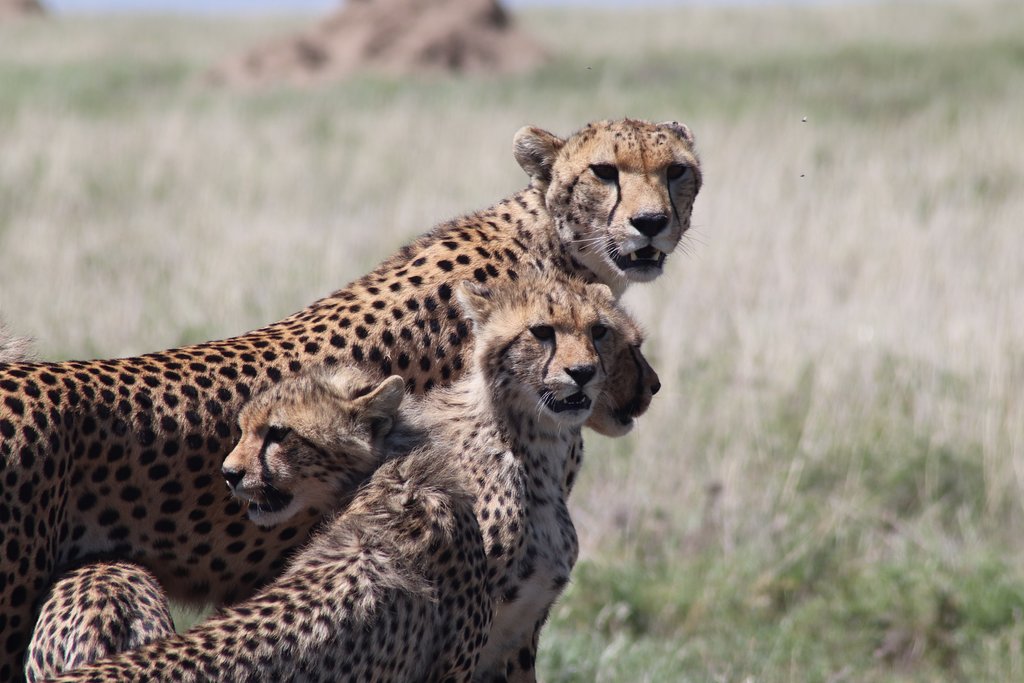
A full day in the Seronera river valley - the densest concentration of large cats in Africa. Lion prides of fifteen are routine, leopards in the sausage trees, cheetah on the open eastern plains. Your guide knows the resident prides and which trees a particular leopard has been favouring. Midday retreat to shade and you switch focus to hippo pools, river bird life, elephants at the Maasai kopjes. Picnic lunch under a shade tree. Afternoon drive 16:00-18:30 - cats reactivate, sunset light. Sundowner at a kopje viewpoint, dinner under canvas at 20:00.
- Highest big-cat density in Africa
- Leopards in the sausage trees
- Cheetah on the short-grass plains
Serengeti to Lake Eyasi - Hadzabe Cultural Visit
An earlier start than most safari days. Breakfast packed at 5:00, on the road by 5:30 for the drive south out of the Serengeti and down to Lake Eyasi - around 4 hours including a Naabi Hill stop. Arrival at your Eyasi lodge by 9:30. The visit to the Hadzabe is at sunrise the following day; today you settle in, swim, and meet your local guide who will translate between Hadzabe-Hadzane and English. Afternoon optional visit to a Datoga blacksmith camp - they are the Iron Age people who hammer out the iron arrowheads the Hadzabe trade for. The Datoga work an open forge with a stone anvil and a goatskin bellows. Their craft has not materially changed in 500 years. Dinner under the stars at the lodge, early bed - the Hadzabe morning starts at 5:30.
- Transfer south to Eyasi
- Datoga blacksmith workshop
- Rift Valley lakeside lodge
Hadzabe Hunt and Fly to Zanzibar
5:30 wake-up. You meet the Hadzabe at their camp at sunrise as the men are heading out to hunt. The Hadzabe number around 1,000 people and are the last surviving hunter-gatherer culture in Africa - they speak a click language unrelated to any neighbouring tongue. The hunt is real; the men carry handmade bows and arrows tipped with cardiac poison from the desert rose plant. If you choose to follow, you walk quietly along sand and through thorn scrub for 2-3km. If a baboon, hyrax, or guinea fowl is hit, it is butchered and eaten on the spot. You can also stay at the camp with the women, who dig tubers and gather berries. Photos require explicit consent. Our visit pays the community directly in cash, food, and clothing as requested by elders. Back to the lodge by 10:30, late breakfast, then a 90-minute transfer to the Lake Manyara airstrip. Domestic flight to Zanzibar departs early afternoon - about 90 minutes in the air. Transfer to your beach resort (Stone Town or north/east coast depending on season) by 5pm. Sundowner on the beach, dinner at the resort.
- Genuine Hadzabe hunt at dawn
- One of the last hunter-gatherer cultures on earth
- Flight to the Indian Ocean coast
Stone Town and Spice Tour
Breakfast at the resort. Morning transfer (30-60 minutes depending on your resort location) to Stone Town for a guided walking tour of the old Arab-Swahili port - UNESCO World Heritage, a maze of narrow alleys, carved wooden doorways from the Omani era, the old slave market and the Anglican cathedral that was built on its site, the spice markets and the freshwater fishing harbour. Lunch at a Stone Town rooftop restaurant - try the Zanzibar pizza at Forodhani Gardens night market if you come back in the evening. Afternoon spice tour at a working plantation outside Stone Town - cardamom, vanilla, cloves, nutmeg, cinnamon, ylang-ylang, all in their growing form, with samples to taste and smell. Return to the resort by sundowner. Optional evening: Forodhani Gardens street food market and a sunset cocktail at Africa House.
- Stone Town UNESCO heritage walking tour
- Working spice plantation visit
- Forodhani Gardens night market option
Zanzibar Beach Day or Mnemba Snorkeling
Your free day. Most travellers do one organised activity in the morning - the snorkeling trip to Mnemba Atoll is the highlight; you take a wooden dhow out of Matemwe at 7:30 and motor 30 minutes to the protected reef around Mnemba Island. The reef is shallow, the water is clear, and green and hawksbill turtles, parrotfish, eagle rays, clownfish, and bannerfish are routine. Dolphin pods occasionally pass. Lunch is on board, snorkeling continues into the afternoon, return to the resort by 4. Alternative options: Jozani Forest (the only place in the world to see the endangered Zanzibar red colobus monkey, around 1,500-2,000 individuals), Prison Island for the Aldabra tortoises, or Kizimkazi for spinner-dolphin watching. Beach and pool the rest of the day. Dinner at the resort or at a beachfront restaurant.
- Mnemba Atoll snorkeling option
- Red colobus monkey at Jozani option
- Beach time
Zanzibar Beach Day
Your last full day. Beach morning - the white sand is glaring at noon and the tide goes far out, exposing reef flats you can walk for an hour. Late breakfast, then whatever you have not yet done: dhow sailing trip from your resort, lunch at a beach restaurant, an afternoon spa treatment, or genuinely nothing. The do-nothing day is one most travellers report as the favourite of the eleven. Sundowner cocktails on the resort lawn, dinner at the resort or beachfront, optional Maasai jumping dance show (genuine, but staged - if that distinction matters to you, skip it).
- Beach and pool
- Optional dhow sailing
- Sundowner cocktails on the lawn
Transfer to Zanzibar Airport
Late breakfast, final swim, then transfer to Zanzibar International Airport (45-90 minutes depending on your resort) for your onward international flight. We can arrange a Stone Town stop on the way if your flight is in the late afternoon. End of trip.
- Final morning swim
- Optional Stone Town stop
- Departure
What you'll see
Sighting probability across all parks visited.
African elephant
Common
Plains zebra
Common
Blue wildebeest
Common
Cape buffalo
Common
Maasai giraffe
Common
Hippopotamus
Common
Warthog
Common
Grant's gazelle
Common
Thomson's gazelle
Common
Common impala
Common
Olive baboon
Common
Vervet monkey
Common
Lion
Likely
Spotted hyena
Likely
Topi
Likely
Red colobus monkey (Jozani, Zanzibar)
Likely
Green or hawksbill turtle (Mnemba snorkeling)
Likely
Leopard
Possible
Cheetah
Possible
Black rhino (Ngorongoro)
Possible
Black-backed jackal
Possible
Spinner dolphin (Kizimkazi)
Possible
Eagle ray (Mnemba)
Possible
Banded mongoose
Possible
Serval
Rare
African wild dog
Rare
Pemba flying fox
Rare
Aardvark
Rare
What a typical day looks like
- 06:00
Wake-up coffee or tea brought to your room or tent
- 06:30
Game drive departure on safari days, or breakfast on transit/beach days
- 10:00
Hot breakfast in the bush on safari days
- 11:00
Continue game drive or activity
- 13:00
Lunch at lodge or picnic
- 14:00
Rest, pool, or onward transfer
- 16:00
Afternoon game drive (safari) or beach/activity (Zanzibar)
- 18:30
Sundowner
- 19:30
Dinner at lodge or beachfront restaurant
- 21:00
Bed - tomorrow may start at 5:30
Fitness
Fitness Required
No fitness minimum and no walking obligation beyond standard travel, but the eleven-day length is itself a demand. The first seven days are physically the same as any safari - 6-8 hours daily in a Land Cruiser, mostly seated, with dust, sun, and accumulating back fatigue as the main complaints. Bring a small inflatable lumbar cushion if you have any back history. Sit in the middle row of the vehicle. The Lake Eyasi day (Day 6) involves a gentle walk - 2-3km on flat terrain - alongside the Hadzabe if you choose to follow the hunt. It is not strenuous but you'll be on sandy ground in dawn light, sometimes ducking through thorn scrub. Closed shoes, long trousers and a long-sleeve shirt are essential. The Hadzabe themselves move at a moderate pace; nobody is sprinting. The Zanzibar days are physically easy but the Indian Ocean heat is intense. The flat ground reads cooler than the safari but humidity is constant. Stone Town has cobbles and narrow alleys; comfortable closed walking shoes for the day tour. Beach time is whatever you want. Snorkeling at Mnemba requires basic swimming ability and comfort in open water (a guide is always with you, and you wear a flotation belt if you wish). Diving and dhow trips are optional and additional. Minimum age: 10. The combination of long driving days, the early Hadzabe start, and the snorkeling in Zanzibar makes 10 the practical floor; children who are strong swimmers and good travellers can manage younger, but please discuss with us. The Ngorongoro Crater Lodge has age restrictions on some suites - we'll confirm room allocation with your booking. The domestic flight to Zanzibar is on a small Caravan or similar with a 15-20kg checked luggage limit. We'll send packing guidance well in advance. Motion sickness is more common than expected because of the long safari driving days. Bring whatever you use. The flight to Zanzibar is short but the Caravans can be bumpy in afternoon heat. Malaria prophylaxis is essential for both the safari week and Zanzibar (Zanzibar is in a malaria zone year-round). Yellow fever certificate is required if entering Tanzania from a yellow fever country (most direct flights from Europe and North America are exempt). Consult a travel clinic 6-8 weeks before departure.
What's Included
- Park & conservation fees
- Professional safari guide
- Lodge accommodation on safari
- Beach resort accommodation in Zanzibar
- All meals on safari (B&B in Zanzibar)
- Domestic flight (mainland to Zanzibar)
- All game drives in a 4x4 with pop-up roof
- Cultural visit to a Maasai village
- Airport & hotel transfers
- Bottled drinking water in the vehicle
Not Included
- International flights
- Tanzania visa
- Tips for guide & lodge staff
- Alcoholic & soft drinks
- Travel & medical insurance
- Items of personal nature (laundry, calls, souvenirs)
- Optional activities (hot air balloon, spa, walking safari)
Before you go
FAQ
What animals will I definitely see?
What animals are the rarest?
How close do we get to the animals?
Are the vehicles air-conditioned?
What about meal quality?
Is it safe? Will lions attack the vehicle?
How much should I tip?
Can I customize this trip?
You might also like
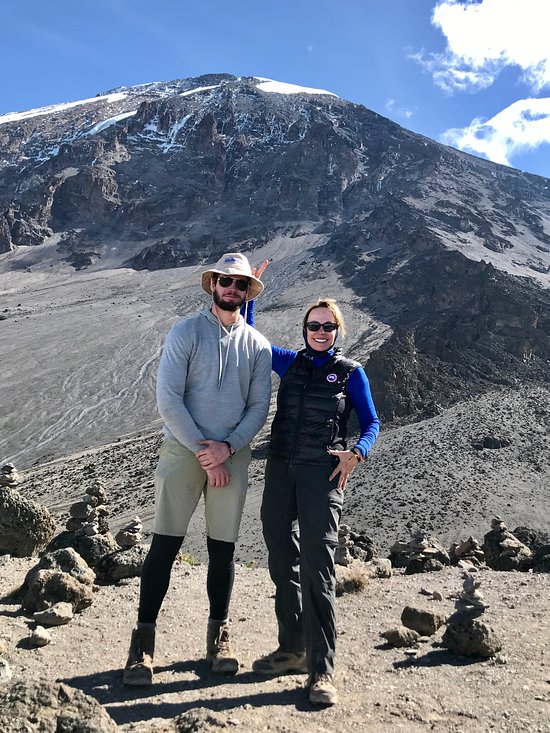
Kilimanjaro - Machame Route (7 Days)
The 'Whiskey Route' - a popular, scenic route known for better acclimatization ('climb high, sleep low'). Accommodation is in tents. Approaches from the southwest.
4-Day Tanzania Lodge Safari
Safari including Serengeti (1 night) along with Tarangire and Ngorongoro. Experience the endless plains of the Serengeti.
5-Day Tanzania Luxury Safari
A relaxed pace visiting Lake Manyara, Serengeti (2 nights), and Ngorongoro. Premium accommodations and exclusive experiences.
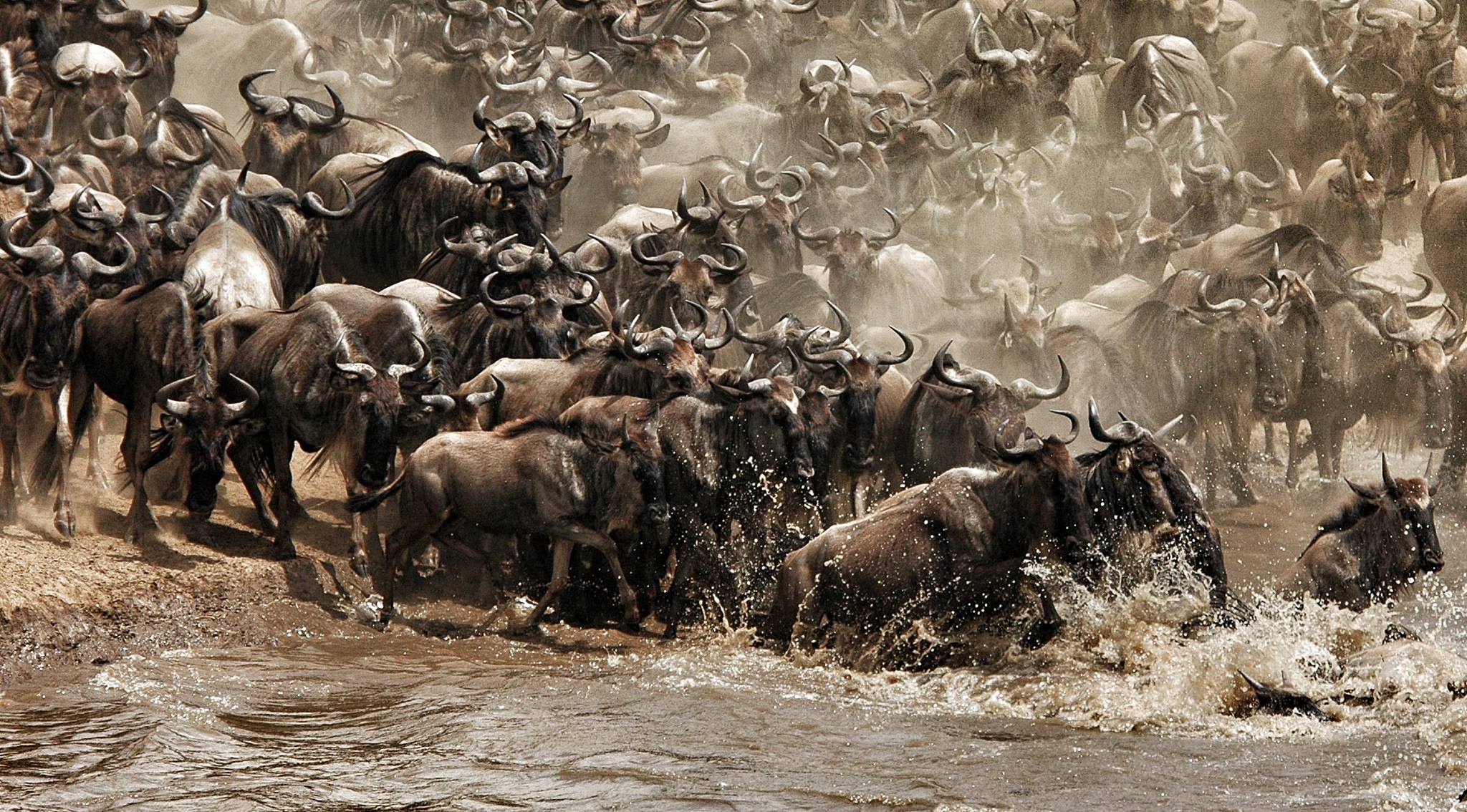
7-Day The Great Migration Safari
Designed to follow the wildebeest migration (location varies by season: North/Kogatende, South/Ndutu, or West). Flies out of Serengeti on the last day.
Ready to start planning your adventure?
11-Day Safari in Tanzania and Zanzibar
Free cancellation: 75 Days