
Overview
The 4-Day Tanzania Lodge Safari is the trip you book when you want the Serengeti. Adding that one extraordinary park to the standard northern circuit transforms the safari from a sampler into a real expedition - four days, three nights, and the first night you actually sleep inside the Serengeti, listening to lions calling under canvas in the dark. You also retain Tarangire on Day 1 for elephants and baobabs, and finish on the Ngorongoro Crater for the densest predator viewing in Africa. It is the perfect balance of variety and depth.
The trade-off is honest: this trip earns the Serengeti. The drive from Karatu up through the Ngorongoro Conservation Area, over the highlands, and down onto the Serengeti plains takes most of Day 2 - five to six hours of bouncing dirt road past Maasai cattle bomas, herds of wildebeest in the open conservation area, and the most enormous sky you have ever seen. Then you do that drive in reverse two days later. The hours in the Land Cruiser add up: forty hours of driving across four days, much of it on graded gravel with the diesel growl that becomes the soundtrack of the trip. The vehicle is not air-conditioned. The dust gets into the seams of your jacket. By Day 4 you are dirty in the particular way that only African safari produces - red road dust ground into the creases of your knuckles - and you will not be in any hurry to wash it off.
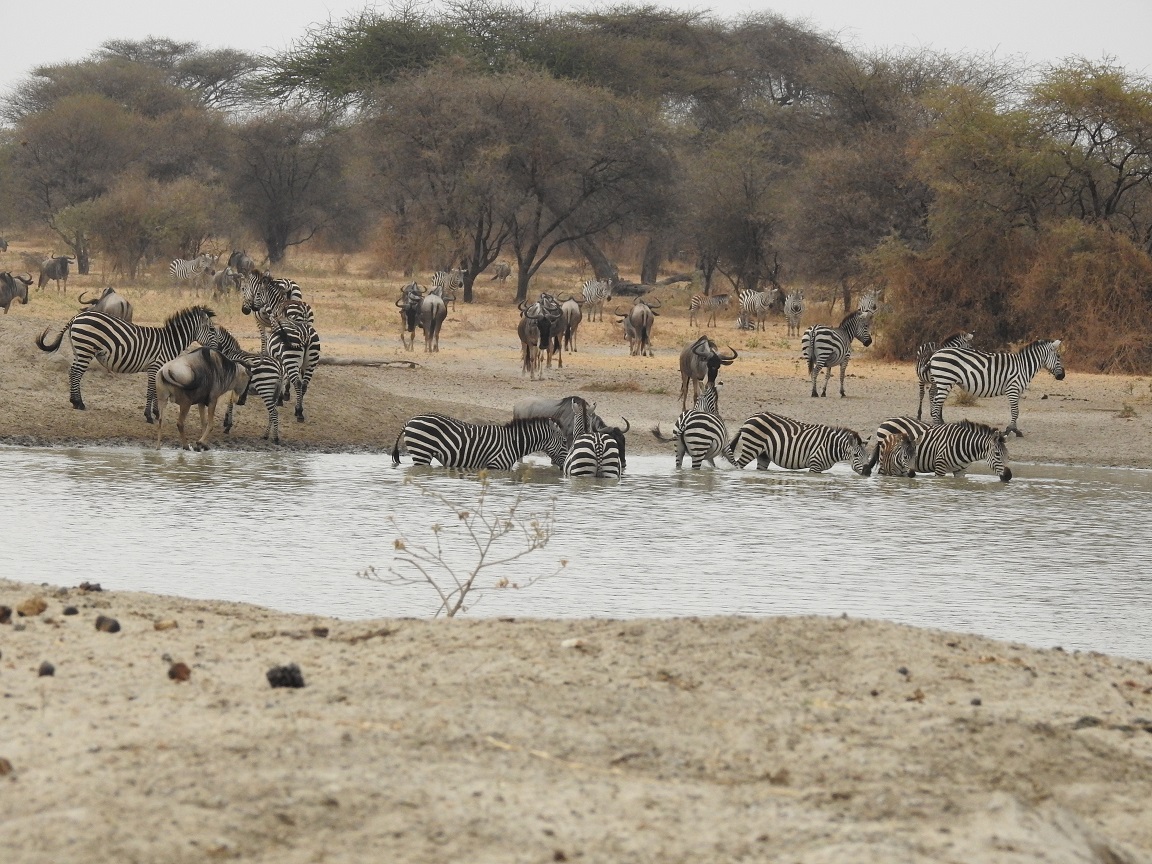
Guaranteed sightings: elephant herds in Tarangire on Day 1; the first lion of the trip almost certainly on Day 2 game drive in Serengeti, often within an hour of entering the park; massive zebra and wildebeest herds depending on which segment of the migration is in residence (June-October the herds are in the northern Serengeti and Mara; December-March they calve in the southern plains - your guide knows where to find them); the Big Four lions, elephants, buffalo, giraffe; hippos in the Mara River pools or the Seronera River; the resident Ngorongoro lion prides on Day 4.
If you are lucky: a leopard draped along a sausage tree in central Serengeti (close to 50 percent over a full day in the park - the chance the Serengeti adds), a cheetah hunting on the open plains (close to 40 percent), the black rhinos on the crater floor (20-25 percent), a hyena clan at a kill site, the migration river crossing if your dates align with July-October. A leopard with a kill draped in a sausage tree at first light is the photograph that makes the trip.
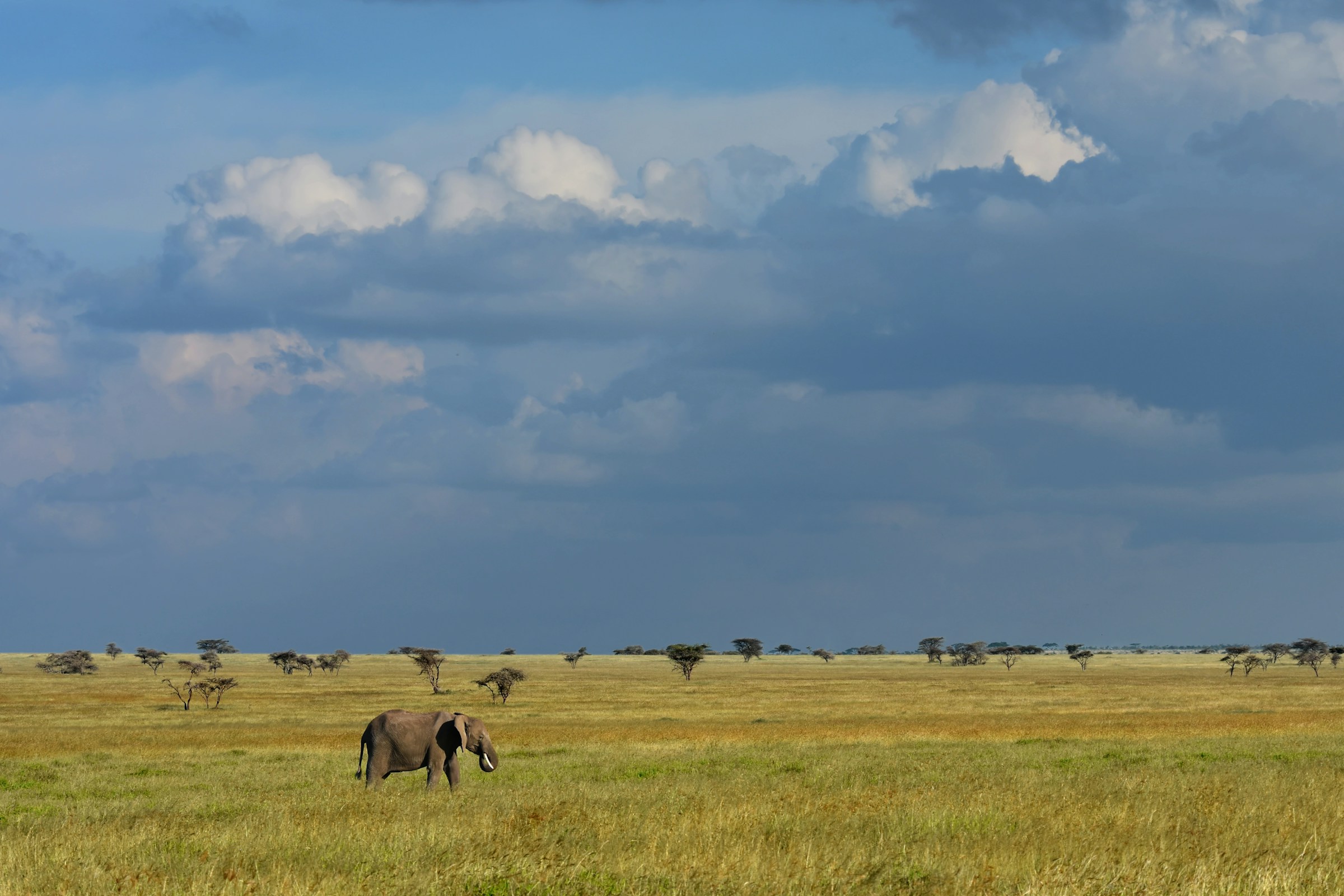
The payoff is the first morning in the Serengeti. You wake at 5:45am, step outside the lodge or tent into cool air that smells of grass and dew and woodsmoke, and the plains stretch to a horizon that does not stop. You are inside the safari now.
The trade-off is honest: this trip earns the Serengeti.
What to Expect
Four days is when the safari starts to settle into your body. By Day 3 the bouncing of the Land Cruiser is the natural state of things; the early wake-ups feel right; you no longer reach for your phone first thing because the sky outside the lodge tent is doing something more interesting. The pacing of the trip is more strenuous than the 3-day - the Serengeti is far, and the road there is the road back. Eight to ten hours a day in the vehicle is standard. The reward is being inside one of the world's great wildlife arenas for a full day and a half.
Lodging varies. Tarangire-region and Karatu lodges are mid-range comfortable: en-suite hot showers, mosquito-netted beds, three-course dinners, pool, fire pit. In the Serengeti you sleep at a Serena, Sopa or similar central-Serengeti lodge, or at a permanent tented camp depending on availability. Tented camps are not roughing it: a real bed, a real shower, a flush toilet inside the tent, but with the meaningful difference that you fall asleep listening to hippo grunts from the river and possibly lion contact calls in the dark. Generators usually go off around 11pm and come back on at dawn. Power for camera batteries is reliable in the evening.
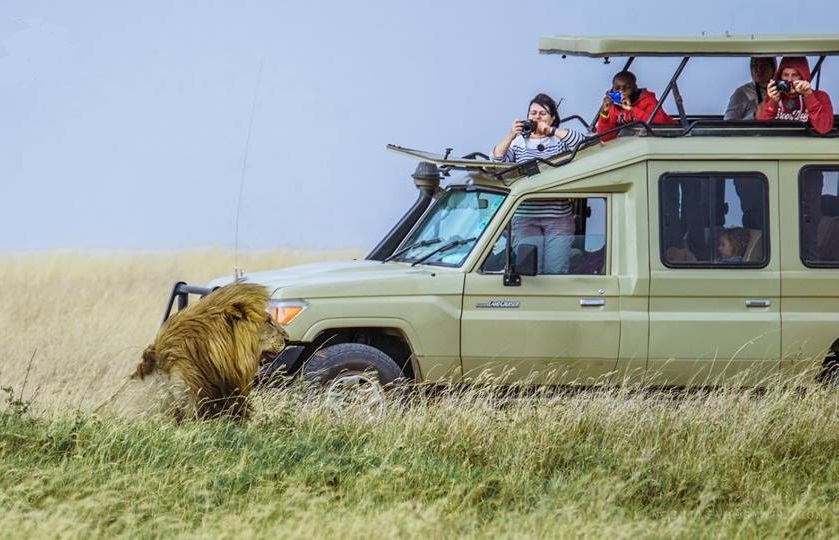
The Serengeti driving on Day 3 is full game-drive day: 7am out of the lodge, 13km/hour cruising the Seronera circuit, picnic lunch under an acacia, back at the lodge by 5pm. Eight hours of looking. The Seronera Valley is the lion capital of the park, with multiple prides whose territories overlap visiting hippo pools and acacia stands. Leopards favor the sausage trees on the river loops. Cheetahs prefer the kopjes east of the lodge.
Day 4's drive back south is long. You leave the Serengeti at 7am, descend to the crater floor by 9am, do the crater game drive through midday and early afternoon, then start the four-hour transfer to Arusha around 3pm. You will be back at your hotel by 7:30pm with the kind of exhaustion that feels exactly right - the camera SD card full, the laundry instructions self-explanatory, the long hot shower already half-imagined.
Clothing: same neutral palette as the shorter safaris, plus a fleece for chilly Serengeti mornings (the plains drop to 14C at sunrise even in dry season) and a light waterproof for short-rain afternoons (November-April).
Four days is when the safari starts to settle into your body.
Itinerary
A walk through the route, with distances, hike times and where you'll sleep.
Arusha to Tarangire National Park
Departure from Arusha at 7:30am. The 130km drive west to Tarangire takes about 2 hours through cultivated farmland that gradually opens into the dry country of the Maasai steppe. Stop at the main gate around 10am for park registration. Tarangire is the perfect Day 1 - dense with the photogenic things first-time safari travelers want: the largest elephant herds in northern Tanzania, the baobab trees that turn the landscape into a Dr. Seuss illustration, big buffalo bulls grazing alone in the grass, dwarf mongoose colonies popping out of fallen baobab trunks. Game drive through the morning, a picnic lunch on a hill overlooking the Tarangire River. The afternoon drive often produces the trip's first lion sighting - the open scrubland north of the river holds resident prides. By 4:30pm exit the park and transfer 90 minutes to a comfortable lodge in the Karatu highlands. Dinner, hot shower, briefing on tomorrow's drive, bed by 9pm.
- Largest elephant herds in northern Tanzania
- Iconic baobab landscape
- First likely lion sighting
Karatu to central Serengeti
An early start, 7am. The drive into the Serengeti is itself an experience - five to six hours that climb up out of Karatu through Ngorongoro Conservation Area, over the high rim, past the lookout where you can see the crater floor 600m below, then descend the western side onto open savannah dotted with Maasai bomas and wildebeest. You stop briefly at Olduvai Gorge - the paleoanthropological site where the Leakeys found the earliest hominid tools and where you can stretch your legs and read a few interpretive boards. By 1pm you cross into the Serengeti at Naabi Hill Gate - lunch at the picnic site there, often with klipspringers picking among the rocks - and begin the afternoon game drive towards your central Serengeti lodge. This stretch from Naabi to Seronera is some of the best lion country in Africa; sightings on the way in are routine. Arrive at the lodge or tented camp around 5pm, sundowner on the terrace as the sun melts behind the kopjes, dinner at 7:30, bed by 9pm. Listen for hippos from the river and possibly lion roars after dark.
- Crossing the Ngorongoro highlands
- Olduvai Gorge brief stop
- First lions of the Serengeti
Full day in the central Serengeti
This is the day. Wake at 5:45am for coffee and a quick breakfast, depart the lodge at 6:30, and you are in the bush before most of the camp staff have eaten. The Seronera Valley is the heart of central Serengeti - a network of riverine forest, kopjes, and open plain that holds the highest concentration of resident lions and leopards anywhere in East Africa. Your guide will check the radio constantly. By 8am the camp will know if a leopard is in a sausage tree at the river, if a cheetah is mobile near the lodge, if a pride made a kill overnight. Drive between sightings is slow and full of incidental wildlife - giraffes browsing the umbrella thorn, elephants in the swamp, buffalo herds at the riverside, hippos in every river pool. Hot bush breakfast at 10am, packed lunch around 1pm, afternoon drive until 5pm. Eight hours of looking. Back at the lodge for sundowner at 6pm, dinner at 7:30, bed by 9pm. Tomorrow is the last day and the long road home.
- Leopards in sausage trees along the river
- Multiple resident lion prides
- Possible cheetah on the kopjes
Serengeti to Ngorongoro Crater to Arusha
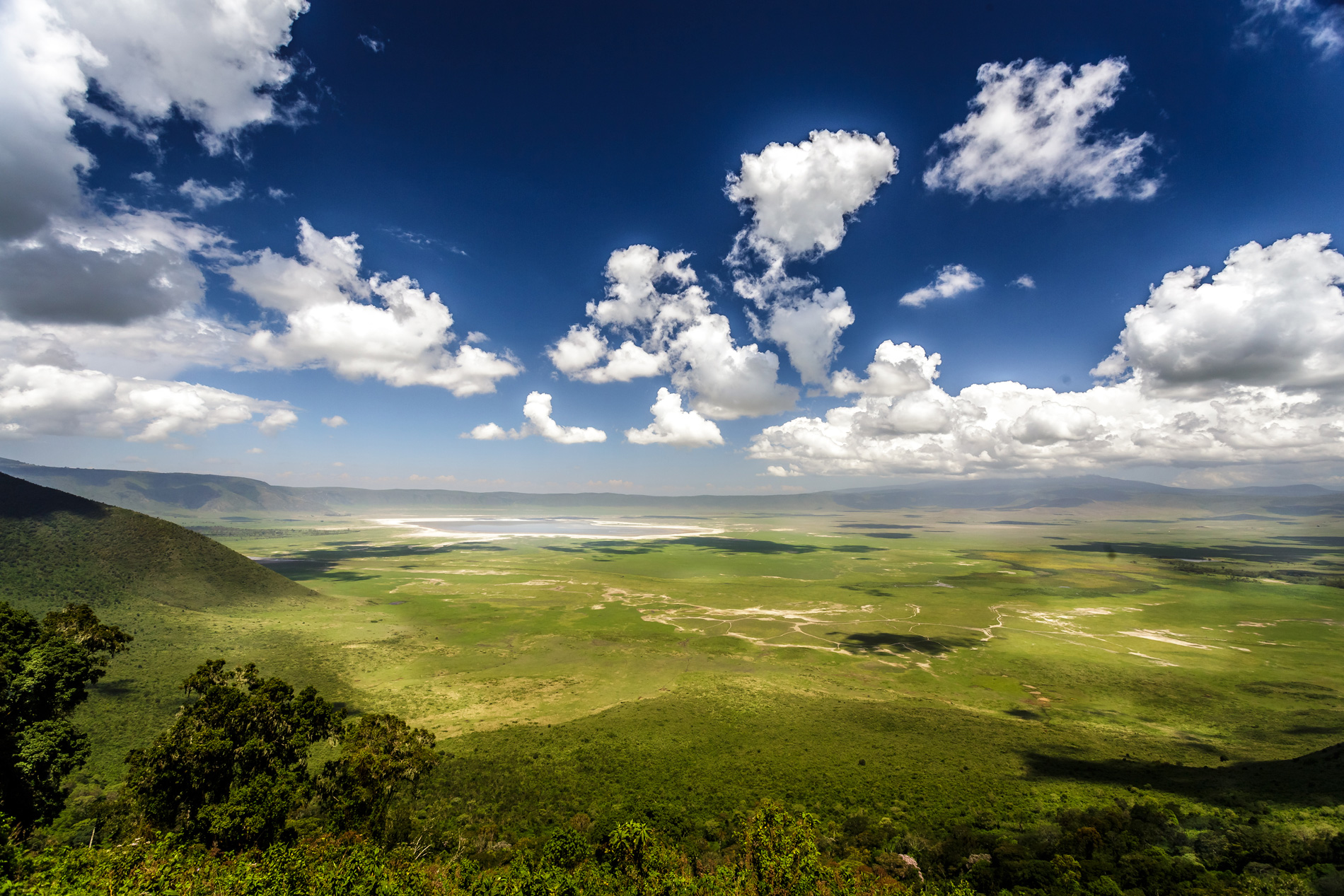
Leave the lodge at 7am after breakfast. The morning drive out of the Serengeti is its own farewell - you re-cross the plains, often with new sightings on the way; one last leopard, one last cheetah, one last view of zebra herds disappearing into the heat shimmer. Arrive at the Ngorongoro Crater rim around 10am, descend the steep western road to the crater floor, and begin the crater game drive. The Ngorongoro is the trip's coda - lions resident on the open grassland often within twenty metres of the vehicle, elephant bulls in the fever-tree forest, hippos at the Mandusi swamp, the possible black rhino. Packed lunch at the picnic site beside the hippo pool (watch the kites). By 2:30pm ascend the crater road to the rim, then begin the four-hour transfer back to Arusha. Arrive at your hotel or onward connection around 7pm. Hot shower. Cold beer. The trip is over but the photos are not.
- Farewell game drive across the Serengeti
- Ngorongoro Crater predator concentrations
- Possible black rhino at the crater floor
What you'll see
Sighting probability across all parks visited.
Plains zebra
Common
Blue wildebeest
Common
Cape buffalo
Common
Grant's gazelle
Common
Thomson's gazelle
Common
Common impala
Common
Hippopotamus
Common
Warthog
Common
African elephant
Common
Maasai giraffe
Common
Lion (Serengeti + Ngorongoro)
Common
Olive baboon
Likely
Vervet monkey
Likely
Spotted hyena
Likely
Black-backed jackal
Likely
Topi
Likely
Coke's hartebeest (kongoni)
Likely
Leopard (Serengeti)
Possible
Cheetah
Possible
Banded mongoose
Possible
Kirk's dik-dik
Possible
Black rhino (Ngorongoro only)
Rare
Serval
Rare
Caracal
Rare
Aardwolf
Rare
Migration river crossing (Jul-Oct)
Rare
What a typical day looks like
- 06:00
Wake-up coffee or tea brought to your room or tent
- 06:30
Game drive departure - predators most active at dawn
- 10:00
Hot breakfast in the bush: boiled eggs, sausage, fruit, coffee
- 11:00
Continue game drive
- 13:00
Lunch back at lodge or picnic inside the park
- 14:00
Optional rest or pool time at the lodge
- 16:00
Afternoon game drive - predators active again
- 18:30
Sundowner drinks at a lookout
- 19:30
Dinner at the lodge
- 21:00
Bed - early start tomorrow
Fitness
Fitness Required
There is no fitness requirement for this safari beyond being able to climb into a Land Cruiser. Travelers from age 5 through their 80s do this trip every season. No walking is required beyond moving from vehicle to lodge. What the trip does demand is endurance for sitting. Across four days you will spend close to 40 hours inside the vehicle, much of it on washboard dirt roads. The constant vibration is real on the lower back; bring a small lumbar cushion if you have any history. The pop-up roof invites you to stand and shoot, which is wonderful for photographs but will tire legs and shoulders by Day 3. Motion sickness is the single most under-prepared issue on safari. The roads from Karatu into the Serengeti and back are corrugated and rough, with frequent stops and accelerations as wildlife is sighted. If you ever get queasy on winding roads, bring Dramamine, Stugeron, Bonine, or ginger products before departure. Sit forward, look at the horizon, eat dry crackers, and stay hydrated. The Serengeti days require the earliest starts. Wake-ups at 5:30am are routine. Sunrise game drives are when the cats hunt, and missing them is a real loss. If you struggle with early mornings, accept that you will be tired and try to nap at midday between game drives. Sun is intense at this altitude and latitude. The Serengeti at 1,500m gets a full UV load, and you'll spend hours standing through the pop-up roof. SPF 50, wide-brim hat, UV sunglasses, lip balm with SPF. The pop-up roof shades you when seated. Dust is constant and the road sections into and out of the Serengeti are the dustiest of the trip. Asthmatics and people with sinus issues should bring a buff or thin face covering and any rescue inhaler. Finally - the Day 4 transfer back to Arusha after the crater is a long stretch and the cumulative tiredness will hit. Drink water. Snack. Don't try to do anything important the same evening. Plan a quiet next morning.
What's Included
- Park & conservation fees
- Professional safari guide
- Lodge accommodation
- All meals on safari
- All game drives in a 4x4 with pop-up roof
- Airport & hotel transfers
- Bottled drinking water in the vehicle
Not Included
- International flights
- Tanzania visa
- Tips for guide & lodge staff
- Alcoholic & soft drinks
- Travel & medical insurance
- Items of personal nature (laundry, calls, souvenirs)
- Optional activities (hot air balloon, spa, walking safari)
Before you go
FAQ
What animals will I definitely see?
What animals are the rarest?
How close do we get to the animals?
Are the vehicles air-conditioned?
What about meal quality?
Is it safe? Will lions attack the vehicle?
How much should I tip?
Can I customize this trip?
You might also like
2-Day Tanzania Lodge Safari
Short safari visiting Tarangire and Ngorongoro Crater. Perfect for a quick glimpse of Tanzanian wildlife.
3-Day Tanzania Lodge Safari
Extended safari adding Lake Manyara to Tarangire and Ngorongoro. Ideal for tree-climbing lions and flamingos.
5-Day Tanzania Luxury Safari
A relaxed pace visiting Lake Manyara, Serengeti (2 nights), and Ngorongoro. Premium accommodations and exclusive experiences.
7-Day The Great Migration Safari
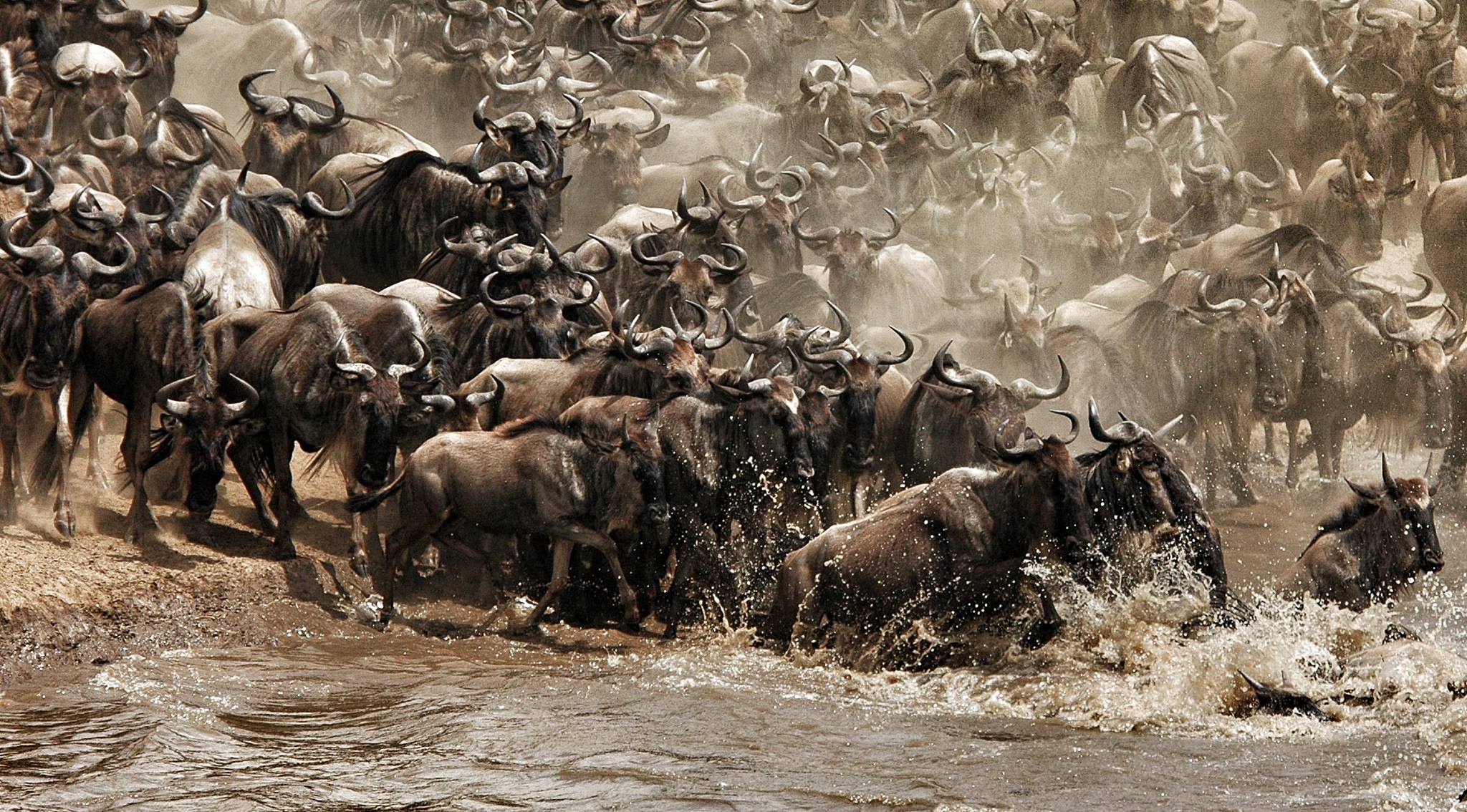
Designed to follow the wildebeest migration (location varies by season: North/Kogatende, South/Ndutu, or West). Flies out of Serengeti on the last day.
Ready to start planning your adventure?
4-Day Tanzania Lodge Safari
Free cancellation: 45 Days