
Overview
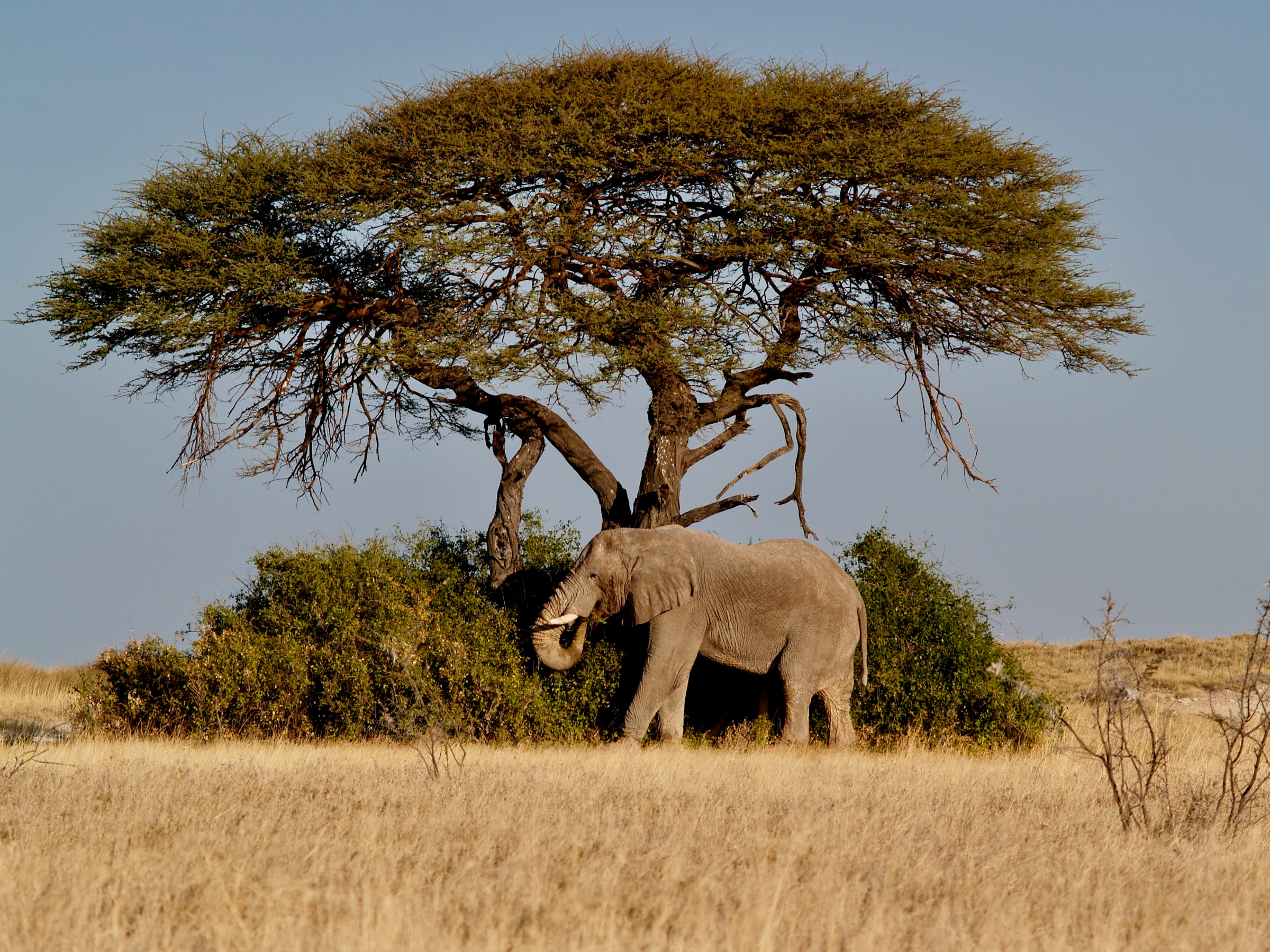
The 3-Day Tanzania Lodge Safari is our most popular starter trip - the format that has launched more African safari obsessions than any other in our portfolio. Three days, two nights, three completely different ecosystems: the baobab-and-elephant savannah of Tarangire, the groundwater forest and soda flats of Lake Manyara, and the volcanic floor of the Ngorongoro Crater. It is the right amount of time to settle into safari rhythm without the long-haul fatigue of a longer trip, and it gives the Big Four (lion, elephant, buffalo, giraffe) plus a real shot at black rhino and leopard.
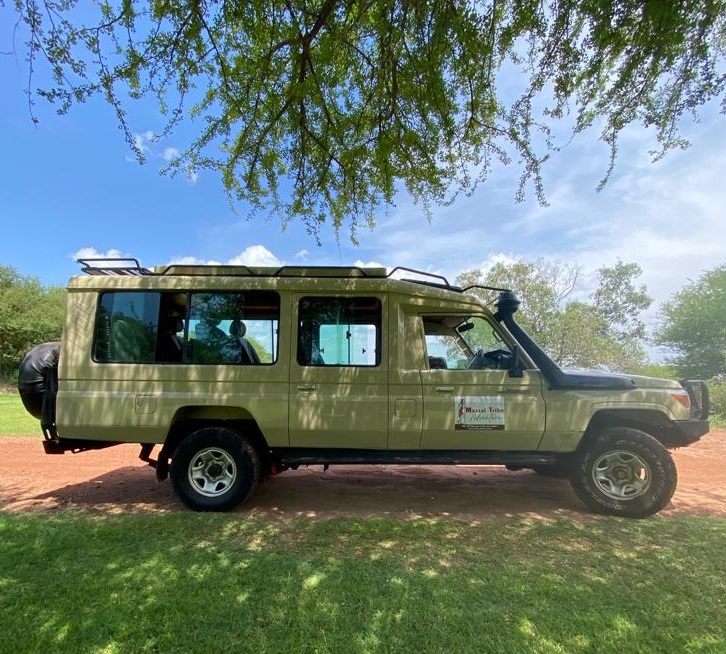
The trip is physically easy but demanding in its own ways. You will spend seven to nine hours a day in a Land Cruiser, much of it on graded dirt roads that throw red dust through the open pop-up roof in a continuous fine mist. You will wake at 5:30 or 6:00 most mornings. The diesel growl of the Land Cruiser starting at dawn becomes a sound you'll associate with the trip. The vehicle is not air-conditioned. The road from Tarangire to Karatu in the late afternoon will rattle your teeth on the washboard stretches. By the third evening, your back will be tired in a way that you do not currently understand, and you will not care because of what you have seen.
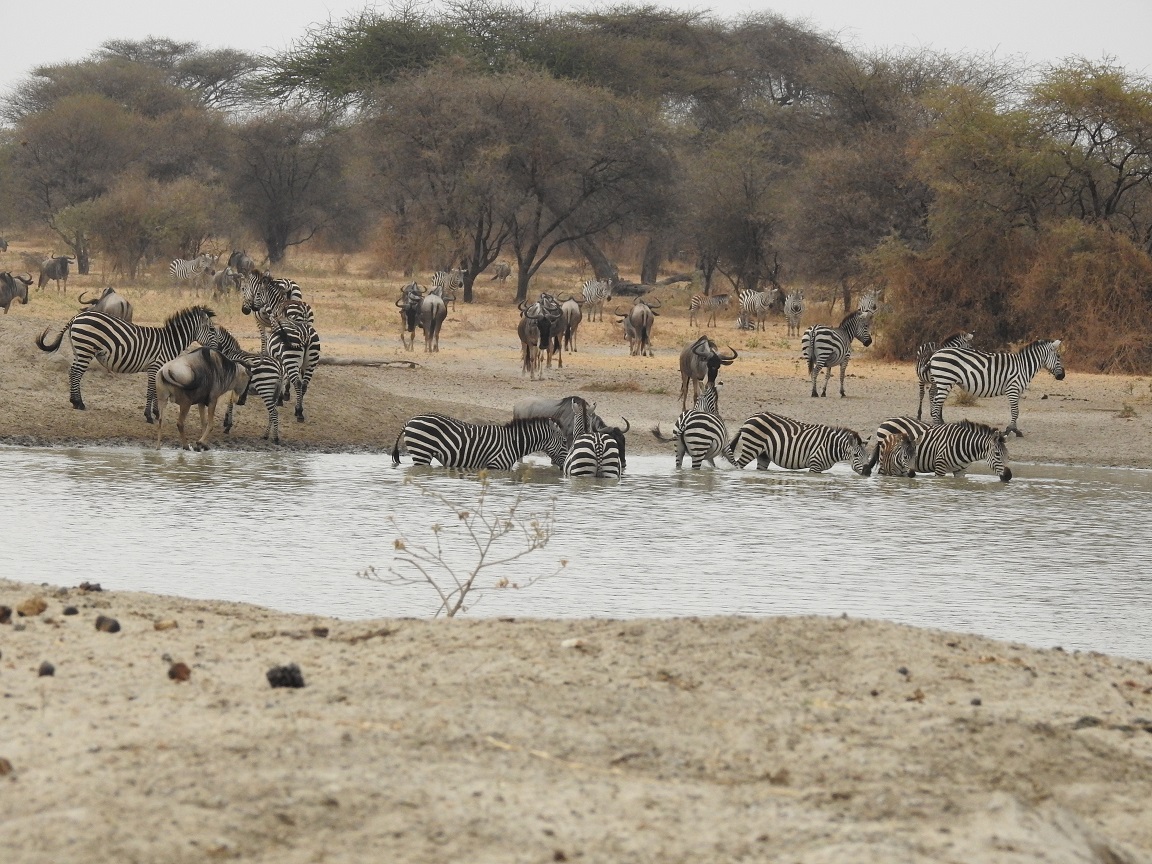
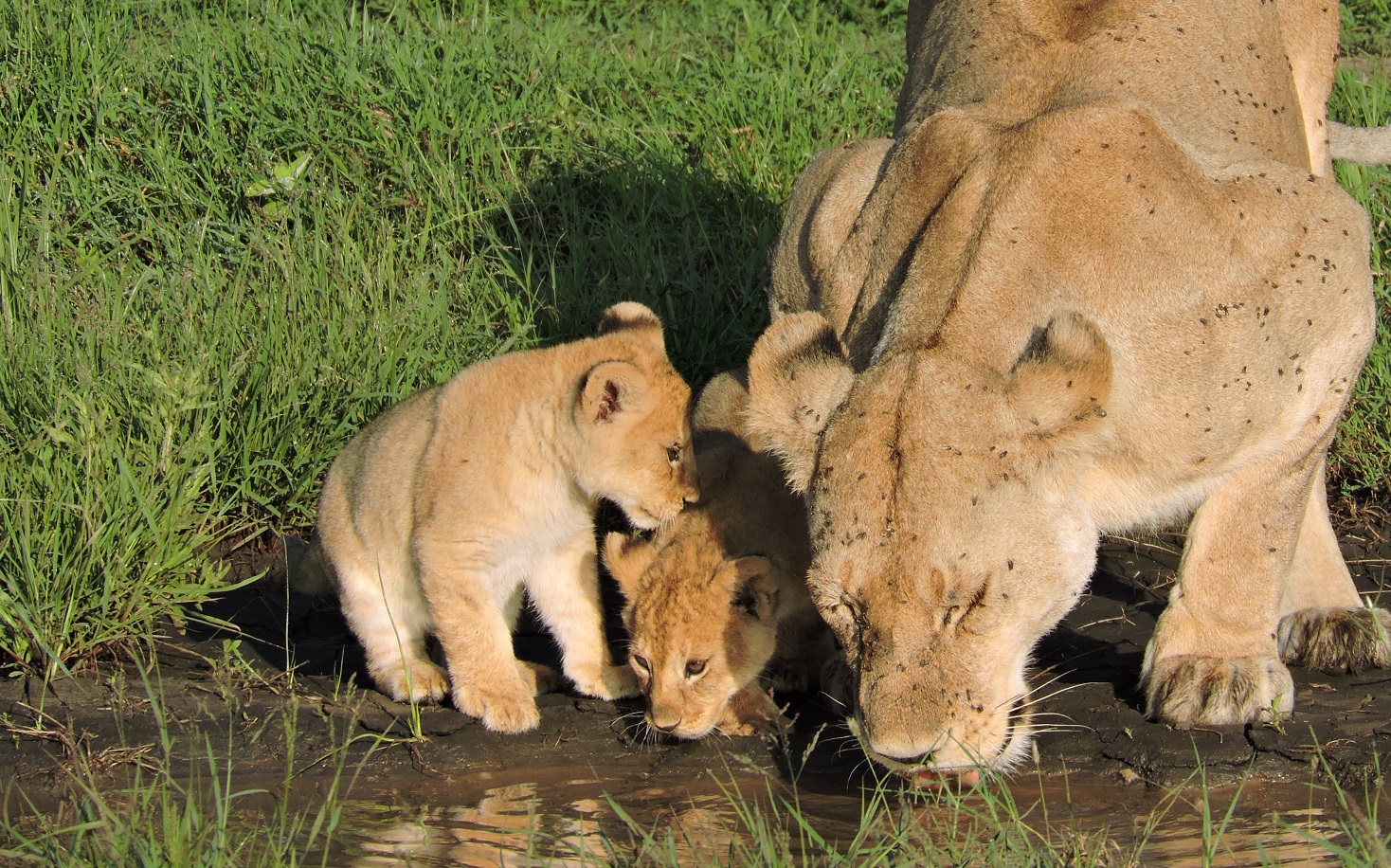
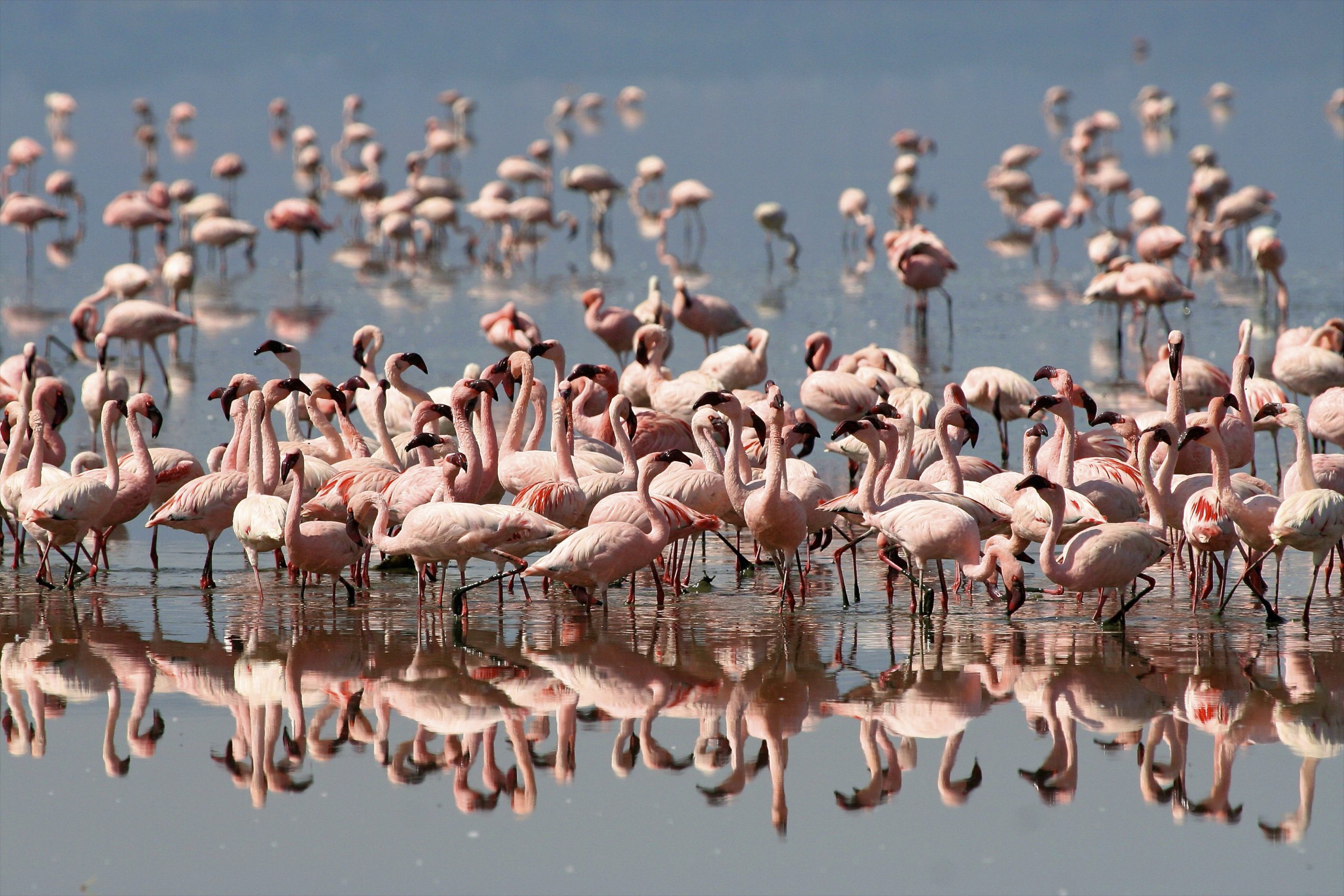
Guaranteed sightings: elephant family herds on Day 1 in Tarangire, often crossing the road in front of the vehicle; resident hippopotamus and large flocks of pink flamingos at Lake Manyara on Day 2; lion in the open on the Ngorongoro Crater floor on Day 3, often within twenty metres. Add the routine cast - plains zebra, blue wildebeest, Cape buffalo herds, Maasai giraffe browsing acacia, impala, Grant's and Thomson's gazelle, warthog, olive baboon, vervet monkey - and you'll fill several memory cards.
The wild cards: leopard in a sausage tree or fig at Tarangire (around 35 percent), tree-climbing lions at Manyara (genuinely rare these days, perhaps 15 percent), cheetah hunting in the crater grass (25 percent), the resident black rhinos on the crater floor (20-25 percent, usually distant), serval, caracal, aardwolf (each below 10 percent but possible). A lion kill in progress, witnessed from a safe distance, is the moment that converts a tourist into a return safari traveler.
The payoff is twofold. First, the variety: three days of completely different scenery and animal behavior. Second, the rhythm - by Day 3 you are no longer a tourist looking for sights; you are someone in the vehicle who heard a giraffe blow, knew what it meant, and was the first to spot the leopard in the marula tree. Three days is enough to learn how to look.
The trip is physically easy but demanding in its own ways.
What to Expect
Three days is the safari sweet spot. By the end of Day 1 you are starting to read the bush - the alarm calls of impala when a leopard is near, the way a giraffe turning its head means it has seen something at 400 metres, the flat-eared annoyance of an elephant that wants you to back the vehicle up. By the end of Day 3 you are tired in the right way, and you will spend the flight home looking through your photos.
The rhythm: early breakfast, all-day game drive with a picnic or lodge lunch break, return to lodge in late afternoon, sundowner, dinner, bed by 9 or 10pm. Each lodge has hot showers, en-suite bathrooms, mosquito nets, and at least a small pool. Your guide-driver is the same person all three days, which means by Day 3 he knows what you photograph and will position the vehicle accordingly.
Weather varies by season. June to October is dry and dust is at its worst but wildlife concentrates around water and visibility is highest. November to May the bush is green, animals are dispersed, calving season in February-March in the southern Serengeti and the migration sweeps the plains, but rain showers in the afternoon are routine. Mornings can be cold on the crater rim - jumper required even in dry season.
Distances driven: roughly 200km Day 1, 80km Day 2, 280km Day 3. The longer the day, the rougher the road. The transfer back to Arusha on Day 3 is the longest single stretch and is the most tiring part of the trip.
Lodge food is generous and well-prepared - international style with Tanzanian touches like nyama choma (grilled meat), pilau rice, and chapati. Most dietary requirements can be accommodated with advance notice. Hot tea is constantly available. Beer is locally brewed Kilimanjaro or Tusker, cold.
You will smell of red dust and bug spray by Day 2. Your camera battery will need charging every evening. You will have at least one moment where the entire car is silent because of something only a few metres away. That moment is why the trip exists.
Three days is the safari sweet spot.
Itinerary
A walk through the route, with distances, hike times and where you'll sleep.
Arusha to Tarangire National Park
Departure from your Arusha hotel at 7:30am after a hot breakfast and the briefing. The 130km drive west to Tarangire takes about 2 hours - paved for the first hour, then red-dust graded road. Stop at the main gate around 10am for registration, then enter the park. Tarangire is Tanzania's quietest big park, especially in the dry season (June-October) when the river concentrates wildlife into spectacular density. The signature is elephants - the largest herds of northern Tanzania - and the baobabs, some over a thousand years old, scattered like sculpted giants across the savannah. Game drive runs through the morning, with a picnic lunch at a riverside site (watch for vervet monkeys that will steal directly from your plate if you turn your head). The afternoon drive often produces the trip's first lion sighting - a sleepy pride on a kopje is common. By 4:30pm you exit the park and transfer 90 minutes to a comfortable lodge in the Karatu highlands - cooler air, mist in the trees, a hot shower and a 7pm dinner. Bed by 9:30 - Day 2 is gentler but you'll be glad of the rest.
- Largest elephant herds in northern Tanzania
- Iconic baobab landscape
- First likely lion sighting
Lake Manyara and rest at Karatu lodge
A gentler day. Breakfast at 7am, depart 8am for the 45-minute drive down to the Lake Manyara gate. Lake Manyara National Park is small but ecologically extraordinary - a strip of groundwater forest, then acacia woodland, then the alkaline soda lake itself, all squeezed between the dramatic 600m wall of the Great Rift Valley escarpment. You enter under enormous fig trees alive with troops of olive baboons and blue monkeys. The forest section yields elephant, bushbuck, and Cape buffalo. As the trail opens onto the lake flats, the bird life becomes the star - great white pelicans, marabou stork, hammerkop, fish eagle, and during November-April months, vast pink flotillas of lesser flamingo and greater flamingo. Hippos wallow in the river mouth. The famous tree-climbing lions are real but genuinely uncommon now (maybe 15 percent of trips spot them - they tend to use the sausage trees in the southern section). Lunch back at the lodge at 1pm, then an afternoon free to swim, nap, or take an optional cultural walk into the Iraqw villages around Karatu. Sundowner on the lawn at 6:30, dinner at 7:30, bed by 9pm. The crater starts very early tomorrow.
- Flamingos on the lake
- Troops of olive baboon under fig trees
- Possible tree-climbing lions
Ngorongoro Crater and return to Arusha
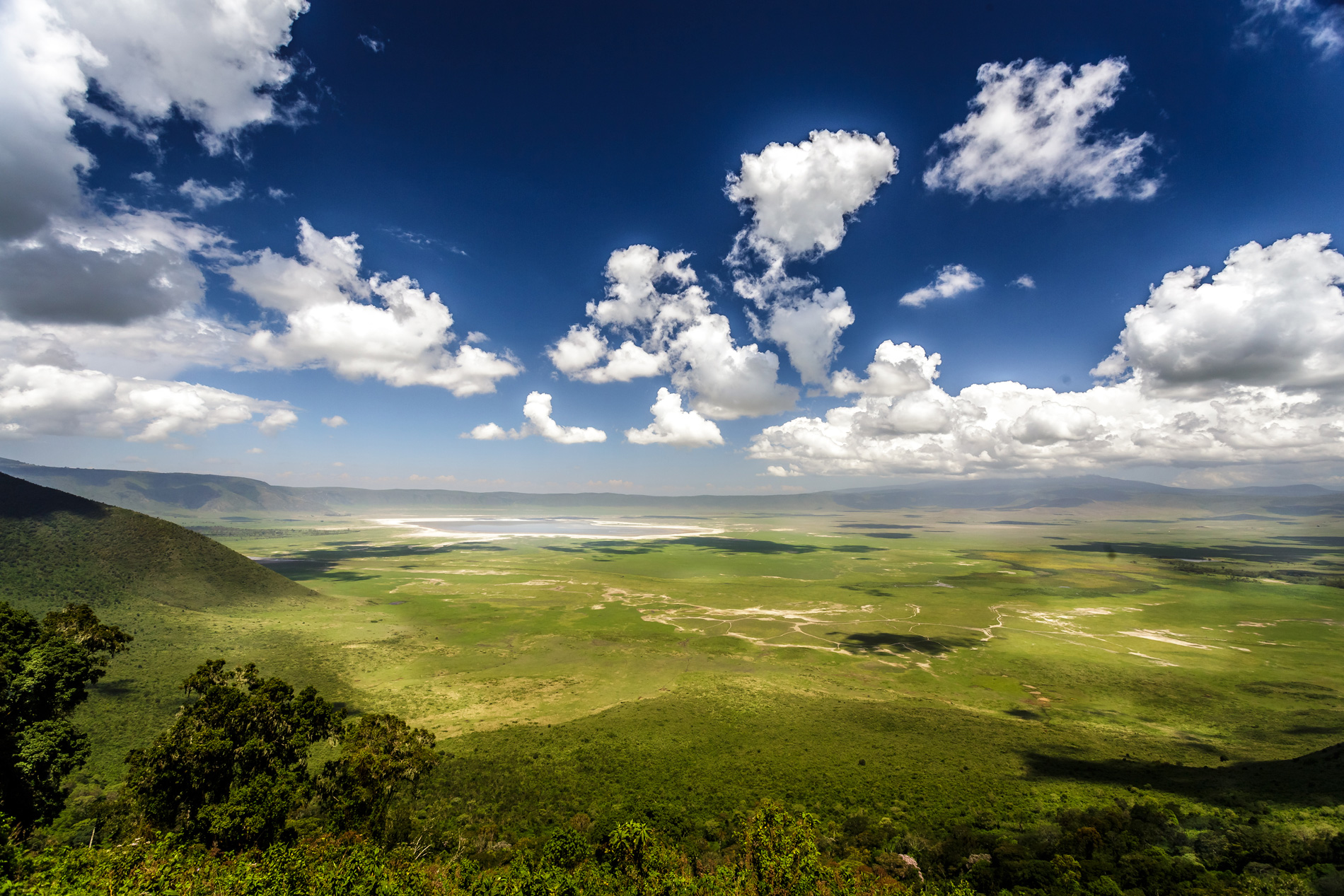
5:30am wake-up. A flask of hot coffee and a quick breakfast roll, on the road by 6:15 to be on the crater rim by 7. The descent road into the crater drops 600m in tight switchbacks; the rim itself is at 2,300m and the floor at 1,700m, and on a clear morning the view down is one of the trip's defining moments. By 8am you're on the floor for what is, hour-for-hour, the highest concentration of large mammals on earth - around 25,000 large mammals in 260 square kilometres. Resident lion prides are habituated and often nap in the open or, sometimes, in the shade of the parked vehicles. Elephants are big old bulls in the fever-tree forest. Cape buffalo herds graze with zebra and wildebeest. Black rhinos exist - around 30 animals - and constitute the Holy Grail of the day. Lunch is a packed box at the picnic site beside the hippo pool (mind the kites). By 2:30pm you ascend the steep crater road back to the rim, then the long transfer to Arusha begins - 4-5 hours including a stop at an Arusha-region coffee farm cafe. Drop at your hotel or onward connection around 7pm.
- Descending 600m into the crater at dawn
- Highest predator density on earth
- Possible black rhino sighting
What you'll see
Sighting probability across all parks visited.
Plains zebra
Common
Blue wildebeest
Common
Cape buffalo
Common
Grant's gazelle
Common
Thomson's gazelle
Common
Common impala
Common
Hippopotamus
Common
Warthog
Common
Olive baboon
Common
Vervet monkey
Common
African elephant
Likely
Maasai giraffe
Likely
Lion (Ngorongoro nearly guaranteed)
Likely
Greater and lesser flamingo (Manyara)
Likely
Spotted hyena
Possible
Black-backed jackal
Possible
Banded mongoose
Possible
Kirk's dik-dik
Possible
Leopard
Rare
Cheetah
Rare
Black rhino (Ngorongoro only)
Rare
Serval
Rare
Tree-climbing lion (Manyara)
Rare
What a typical day looks like
- 06:00
Wake-up coffee or tea brought to your room
- 06:30
Game drive departure - predators most active at dawn
- 10:00
Hot breakfast in the bush: boiled eggs, sausage, fruit, coffee
- 11:00
Continue game drive
- 13:00
Lunch back at lodge or picnic inside the park
- 14:00
Optional rest or pool time at the lodge
- 16:00
Afternoon game drive - predators active again
- 18:30
Sundowner drinks at a lookout
- 19:30
Dinner at the lodge
- 21:00
Bed - early start tomorrow
Fitness
Fitness Required
Safari is the most physically accessible serious wildlife trip on earth. There is no fitness minimum; we host travelers from age 5 to 85, with every joint replacement and pacemaker in between. The only walking required is from your room to the Land Cruiser and back. You can do this trip while recovering from a knee surgery, while pregnant (with doctor approval), with type 1 diabetes, or with most chronic conditions that allow normal travel. That said, the trip is genuinely demanding in unusual ways. Eight or nine hours a day in a vehicle, much of it on washboard dirt, is hard on the lower back. Bring a small inflatable lumbar cushion if you have any back history. The pop-up roof means most photographers stand for hours; legs and shoulders will let you know about it on Day 3. Build in some easy walking before the trip if you can. Motion sickness is more common on safari than travelers expect. The constant lurching on uneven tracks and the necessary stop-start as wildlife is spotted is a recipe. Bring Dramamine, Stugeron, Bonine, or ginger products if you are at all prone. Sit in the middle row of the vehicle (less rear-axle bounce), eat dry crackers, and look at the horizon during transfers. Early mornings cannot be avoided. Predators are dawn-active and the best sightings come before 9am. Wake-ups at 5:30am are normal. Day 3, the crater day, starts at 5:30 specifically to be on the rim by sunrise. Sun is constant and intense at this latitude. The pop-up roof is shaded but you spend hours standing in equatorial UV. SPF 50, wide-brim hat, UV-protective sunglasses, lip balm with SPF are all essential. Hydrate constantly - we keep three litres of bottled water per person per day in the cool box. Dust gets into everything. People with asthma, COPD, or significant sinus problems should bring a thin face covering (a buff works well) and any rescue medication. The dustiest stretches are the unpaved sections between parks - you can pull the buff up when needed and the cabin actually settles after a few minutes off-road.
What's Included
- Park & conservation fees
- Professional safari guide
- Lodge accommodation
- All meals on safari
- All game drives in a 4x4 with pop-up roof
- Airport & hotel transfers
- Bottled drinking water in the vehicle
Not Included
- International flights
- Tanzania visa
- Tips for guide & lodge staff
- Alcoholic & soft drinks
- Travel & medical insurance
- Items of personal nature (laundry, calls, souvenirs)
- Optional activities (hot air balloon, spa, walking safari)
Before you go
FAQ
What animals will I definitely see?
What animals are the rarest?
How close do we get to the animals?
Are the vehicles air-conditioned?
What about meal quality?
Is it safe? Will lions attack the vehicle?
How much should I tip?
Can I customize this trip?
You might also like
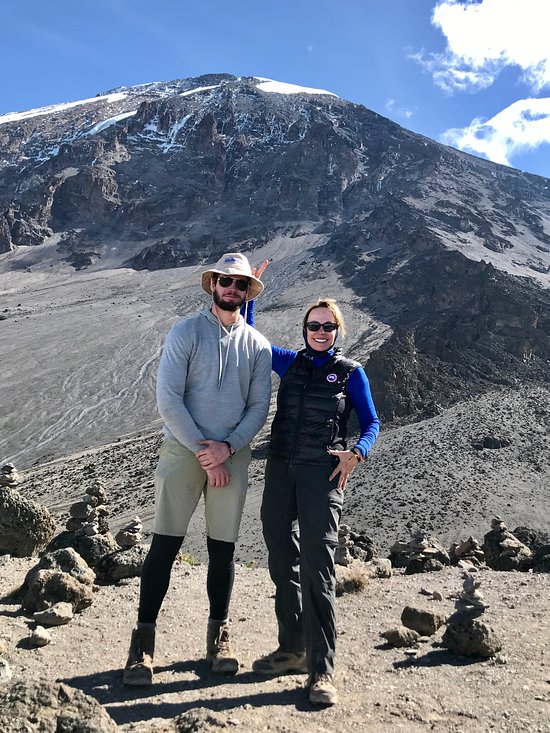
Kilimanjaro - Machame Route (7 Days)
The 'Whiskey Route' - a popular, scenic route known for better acclimatization ('climb high, sleep low'). Accommodation is in tents. Approaches from the southwest.
2-Day Tanzania Lodge Safari
Short safari visiting Tarangire and Ngorongoro Crater. Perfect for a quick glimpse of Tanzanian wildlife.
4-Day Tanzania Lodge Safari
Safari including Serengeti (1 night) along with Tarangire and Ngorongoro. Experience the endless plains of the Serengeti.
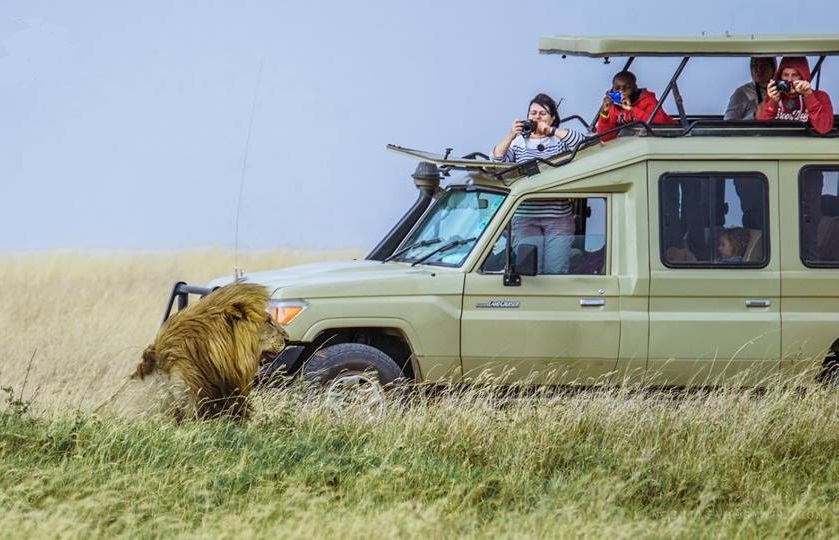
5-Day Tanzania Luxury Safari
A relaxed pace visiting Lake Manyara, Serengeti (2 nights), and Ngorongoro. Premium accommodations and exclusive experiences.
Ready to start planning your adventure?
3-Day Tanzania Lodge Safari
Free cancellation: 45 Days