
Overview
The 5-Day Tanzania Luxury Safari is the trip we recommend when you want the northern circuit done properly - not rushed, not budget, and not at the wrong end of the lodge spectrum. Five days lets you build a real safari arc: one easy day at Lake Manyara to find your rhythm, two full nights in central Serengeti for the predator concentrations around Seronera, then a night on the Ngorongoro rim before the dawn descent into the crater. You stay at properties most guests never see - Four Seasons Safari Lodge Serengeti with its waterhole-side infinity pool, Ngorongoro Crater Lodge with its baroque interiors that look out across the world's largest unbroken caldera. A private 4x4, your own driver-guide for the full five days, full board with house beverages, and the kind of pace that lets you take an afternoon nap when you want one.
The trip is physically easy but the days are still long. You will spend 6-8 hours in a Land Cruiser most days, the longest stretch being the Day 2 transfer from Karatu to central Serengeti (around 6 hours including a Naabi Hill stop). The crater day starts at 5:30am. By Day 5 you will smell of dust and sunscreen and you will not want it to end.
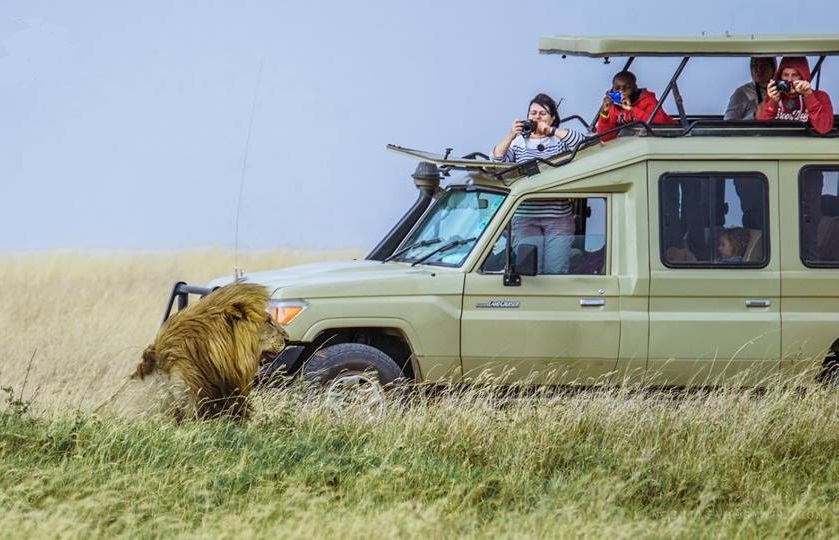
Guaranteed sightings: African elephant in the woodland at Manyara (Day 1); lion in the open in Serengeti and again on the crater floor (95 percent across the trip); enormous concentrations of plains zebra, blue wildebeest, Cape buffalo, hippo, Maasai giraffe, and the antelope cast - impala, Thomson's and Grant's gazelle, topi, hartebeest. Hyena is common. The supporting cast - olive baboon, vervet monkey, warthog, dik-dik, mongoose - is constant.
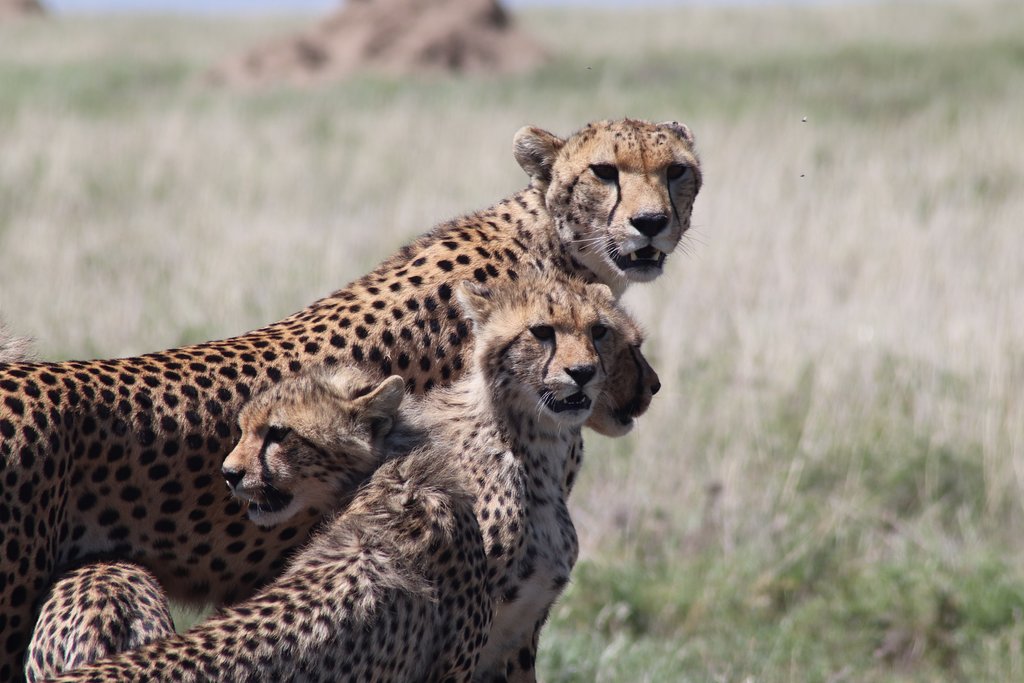
The wild cards genuinely improve at this length. Leopard rises to around 60 percent because you have two full days in the Serengeti, where leopards drape themselves in the sausage trees of the Seronera river valley. Cheetah is around 55 percent. Black rhino in Ngorongoro sits at roughly 50 percent - the resident population is around 30 animals and they prefer the bush, but with luck you find one in the open. Serval, caracal, jackal are bonus sightings. African wild dog and aardvark are once-in-a-decade gifts.
The payoff is twofold. First, the lodges - returning to a hot stone bath at Four Seasons after a 9-hour drive day is not a small thing. Second, the time to let the bush teach you what to look for. Most safari first-timers report a moment around Day 3 or 4 when they stop expecting a Disney-park stream of animals and instead start seeing the smaller, weirder, more interesting things - a serval kitten learning to pounce, a martial eagle's stare from a fever tree. That is the moment the trip becomes more than a tour.
The trip is physically easy but the days are still long.
What to Expect
Five days is the length at which safari stops feeling like a tour and starts feeling like a way of life. The first night, you eat dinner in a dining room with windows full of giraffe silhouettes against the sunset; by the fifth, you are casually pointing out a tawny eagle to your driver before he sees it. The trip transforms you in increments you only notice in retrospect.
The rhythm settles around the third morning. Day 1 is your introduction - a half-day at Lake Manyara, the smallest park on the circuit, with its groundwater forest and flamingo flats. Day 2 is a transit day with game-drive payoff - the long road from Karatu through the Ngorongoro Conservation Area, across the southeastern Serengeti plains, into central Serengeti for sundowner. By Day 3, your guide knows what you photograph, knows whether you want the lion-kill close-up or the wide-angle landscape with one lion as accent, and starts moving the vehicle accordingly.
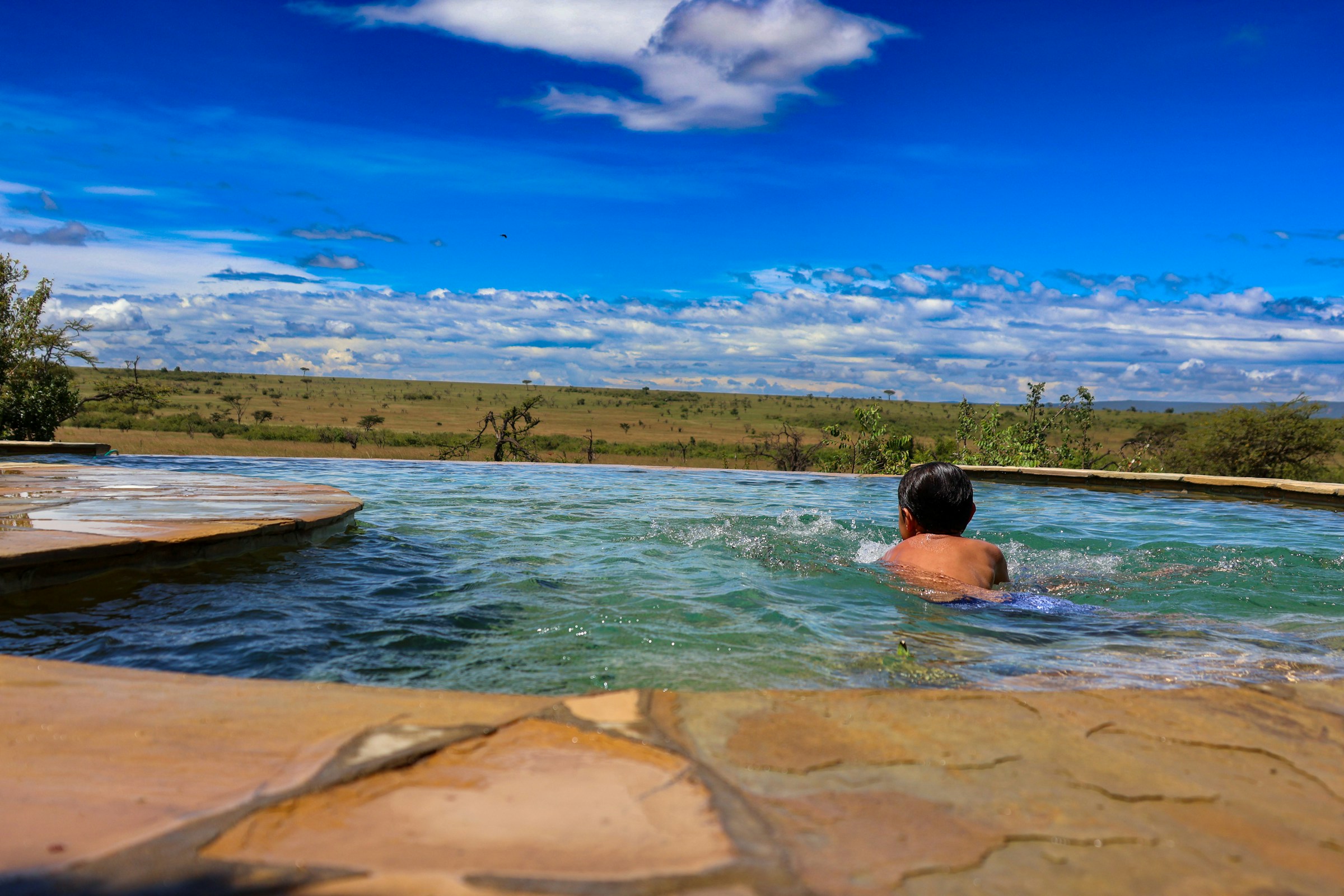
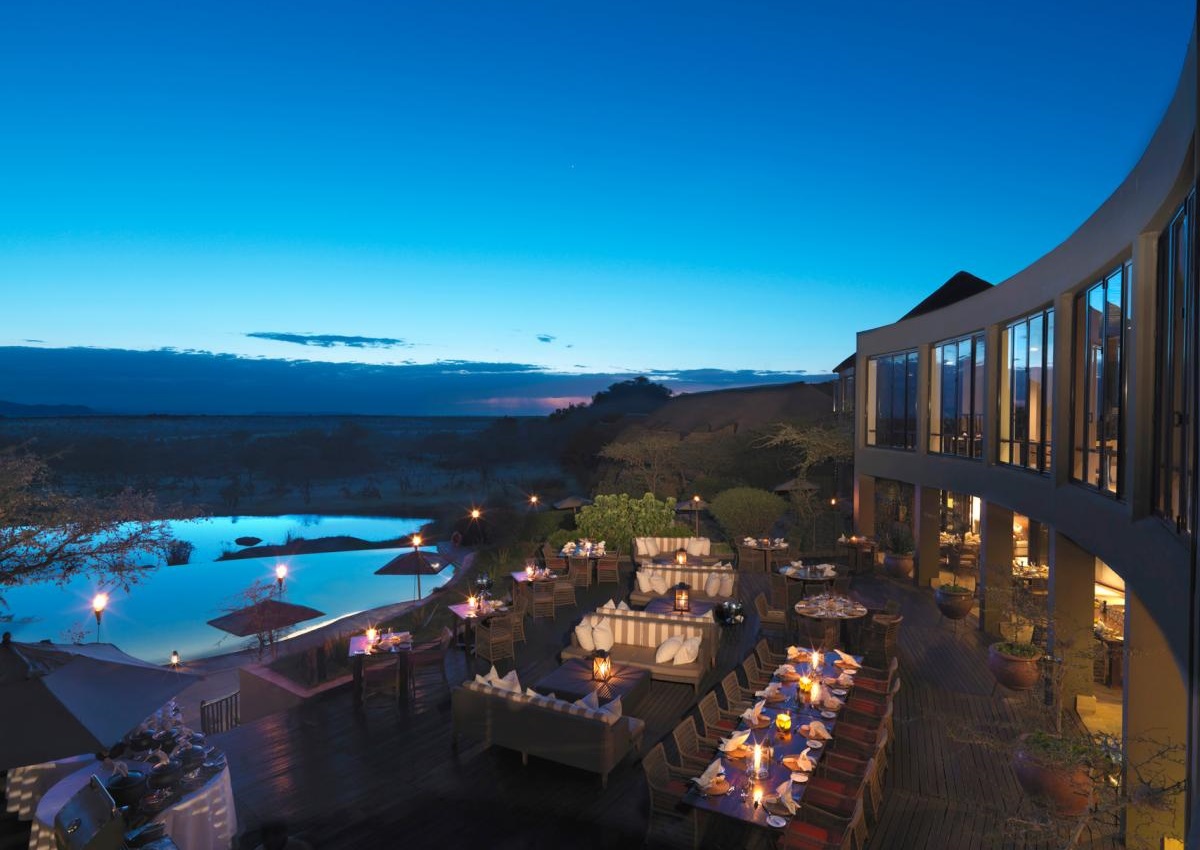
The lodges are the differentiator from cheaper itineraries. Manyara's tree-house style rooms hang over the escarpment. Four Seasons Serengeti is exactly the resort experience the name implies - a 60-foot infinity pool over a waterhole where elephants drink at sundown, butler service, a spa, a kids' club, and food that would not embarrass a metropolitan restaurant. Ngorongoro Crater Lodge is the indulgent finale - rococo gilt mirrors, claw-foot bathtubs, panoramic crater views, butler service, and one of the most photographed dining rooms in African safari hospitality.
Weather: the rim of Ngorongoro can be cold at night, below 10C in the dry season. Most other nights are 15-20C. Days are 25-30C in the plains. Rain is occasional October-May, heaviest mid-March to mid-May.
Driving: roughly 200km Day 1, 300km Day 2, 150km Day 3, 250km Day 4, 280km Day 5. The Day 2 transfer is the rough one - washboard gravel from Karatu, mercifully smoother after Naabi. The Day 5 return to Arusha is tiring but you'll be processing what you've seen.
Food and drink: full board on safari, house beverages (soft drinks, beer, house wine, water) included throughout. Premium spirits and champagne are extra. Picnic lunches in the bush are the norm on game-drive days; some are elaborate set-ups with tables, chairs, and a chilled white wine.
The sundowner is a real institution at this tier. At Four Seasons, expect a vehicle ride to a kopje viewpoint, then a table with linen, ice, and a private bartender mixing whatever you want as the sun drops. It is the moment most travellers remember most.
Five days is the length at which safari stops feeling like a tour and starts feeling like a way of life.
Itinerary
A walk through the route, with distances, hike times and where you'll sleep.
Arusha to Lake Manyara National Park
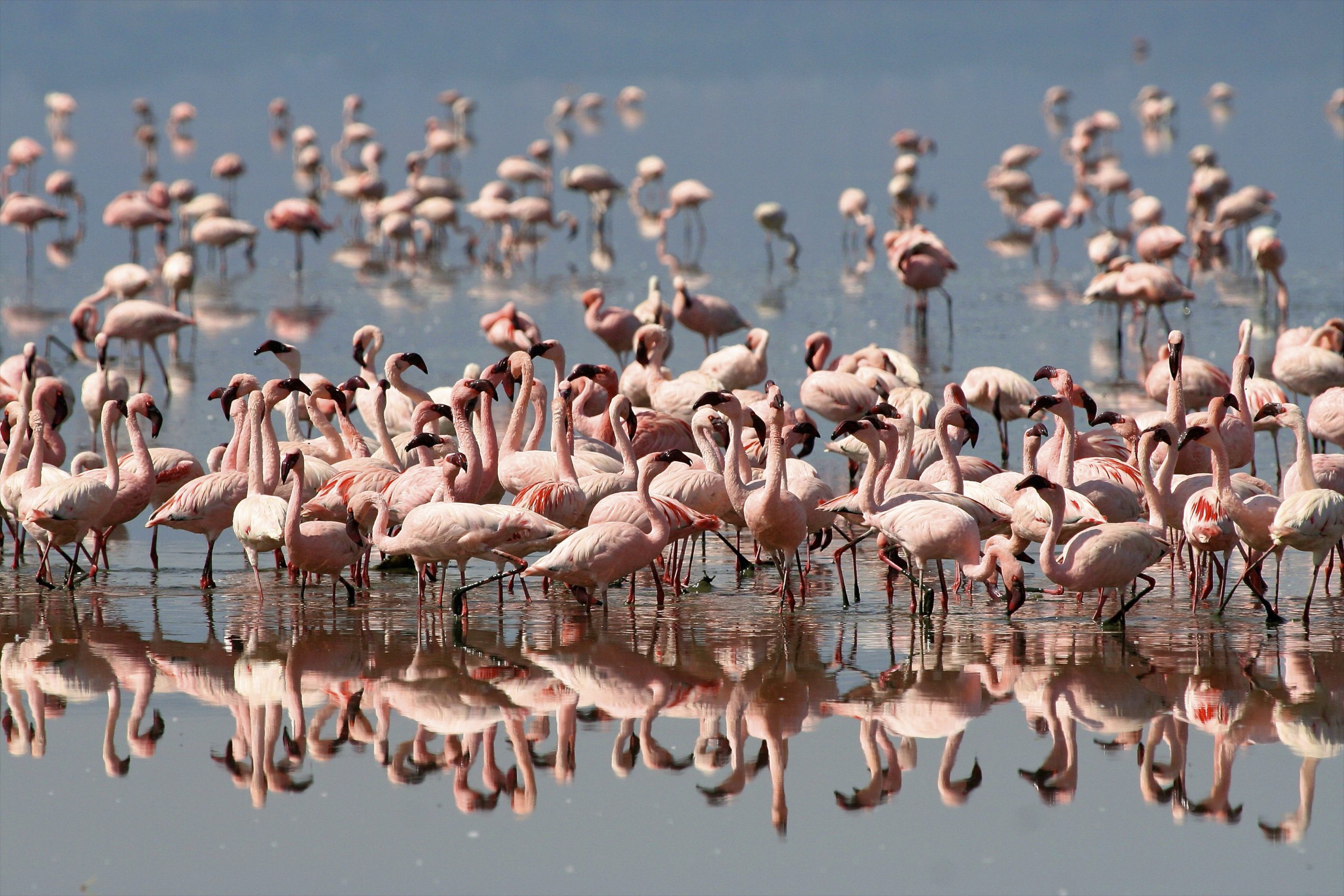
Pickup from your Arusha hotel at 8:00am after breakfast and the trip briefing with your guide. The 130km transfer west to Lake Manyara takes roughly two hours, the first hour paved through the Mto wa Mbu villages, the last stretch dropping down the Great Rift Valley escarpment with one of Tanzania's most photographed roadside viewpoints. Lunch at your lodge in the highlands above the park, then a relaxed afternoon game drive in Lake Manyara itself. Manyara is small but ecologically improbable - a strip of groundwater forest fed by springs from the escarpment, then acacia woodland, then the soda lake. You enter under fig trees alive with olive baboons and blue monkeys; the forest produces elephant, bushbuck, and Cape buffalo. The lake flats are bird heaven - great white pelican, marabou stork, yellow-billed stork, fish eagle, hammerkop, and, in the November-April window, vast pink flotillas of greater and lesser flamingo. The famous tree-climbing lions are real but uncommon - perhaps 15 percent of visits encounter them in the southern sausage trees. Return to the lodge by 6:00 for a sundowner on the deck, dinner at 7:30, and an early night. Your room overlooks the Rift Valley wall and you can hear hippos in the lake far below if the wind is right.
- Rift Valley escarpment views
- Flamingos and 400+ bird species
- First likely elephant sighting
Lake Manyara to Central Serengeti
An early breakfast at 6:30 and on the road by 7:30 - today's the long transit day, but the destination is central Serengeti, which is worth every kilometre. You drive west through the Mbulu highlands and into the Ngorongoro Conservation Area, climbing to the crater rim at 2,300m. A photo stop at the rim viewpoint - the crater stretches below in its 18-kilometre entirety. Then the road descends the western Ngorongoro slopes and emerges onto the southeastern Serengeti plains - one of the most affecting transitions in African travel. The grasslands open and the horizon flattens. You stop at Naabi Hill Gate for lunch and the formal Serengeti entry, then continue an afternoon game drive route through the central plains towards your lodge near Seronera. By 4:00 you are deep in cat country, with kopjes (granite outcrops) every few kilometres - prime lion territory. You'll likely have your first Serengeti lion sighting before reaching the lodge. Sundowner at 6:30 by the waterhole at Four Seasons Safari Lodge Serengeti, dinner at 8:00, and a pool-side terrace with one of the most photographed views in safari - elephants drinking 40 metres away while you swim.
- Ngorongoro rim panorama
- Crossing into the Serengeti plains
- First Serengeti lion sighting
Full Day Central Serengeti
Your slowest, richest, most rewarding day. Coffee at 6:00, breakfast on-the-go at 6:30, in the Land Cruiser by 6:45 for the cool morning hunt window. The Seronera River valley is the densest concentration of large cats in Africa - lion prides of fifteen and twenty are common, leopards drape themselves in the sausage trees and umbrella thorns, and the open grasslands east of Seronera are prime cheetah ground. Your guide knows the resident prides by name and which trees a particular leopard has been favouring lately. By mid-morning the cats retreat to shade and you switch focus - hippo pools in the Retina region, elephant herds at the Maasai kopjes, the bird life along the river. A leisurely picnic lunch is set up under a shade tree (linen, table, chilled drinks if you want them). Optional siesta back at the lodge from 1-3, then the afternoon game drive 4-6:30 - cats reactivating, sunset light. The lodge offers a private sundowner setup with table linens and a private bartender at a kopje viewpoint at 18:30. Dinner under the stars at 8:00.
- Highest big-cat density in Africa
- Cheetah on the short-grass plains
- Private sundowner setup at sunset
Serengeti to Ngorongoro Crater Rim
A final Serengeti morning - 6:30 game drive, breakfast in the bush, last chance for the leopard or cheetah you might have missed. Back to the lodge by 11:00 for a quick refresh, then begin the 250km transfer east. Lunch en route at a Naabi Hill picnic site (kites and superb starlings will join you uninvited). You arrive at the Ngorongoro rim by 4:30pm - just in time for one of the most theatrical hotel arrivals in African safari. Ngorongoro Crater Lodge is a gleeful pastiche of Maasai mud-and-stick architecture and English country house indulgence - rococo gilt mirrors, claw-foot bathtubs in every suite, panoramic crater views from the bed. Tea at 5:00 on the verandah, sundowner at 6:30 as the crater fog rolls up the wall below you, butler-served dinner at 7:30. The rim is at 2,300m and the night air is cold - well below 10C in dry season. There is a fireplace in your suite. Use it. Tomorrow is the early start.
- Last morning in the Serengeti
- Arrival at the iconic crater rim
- Suite views down into the caldera
Ngorongoro Crater and Return to Arusha
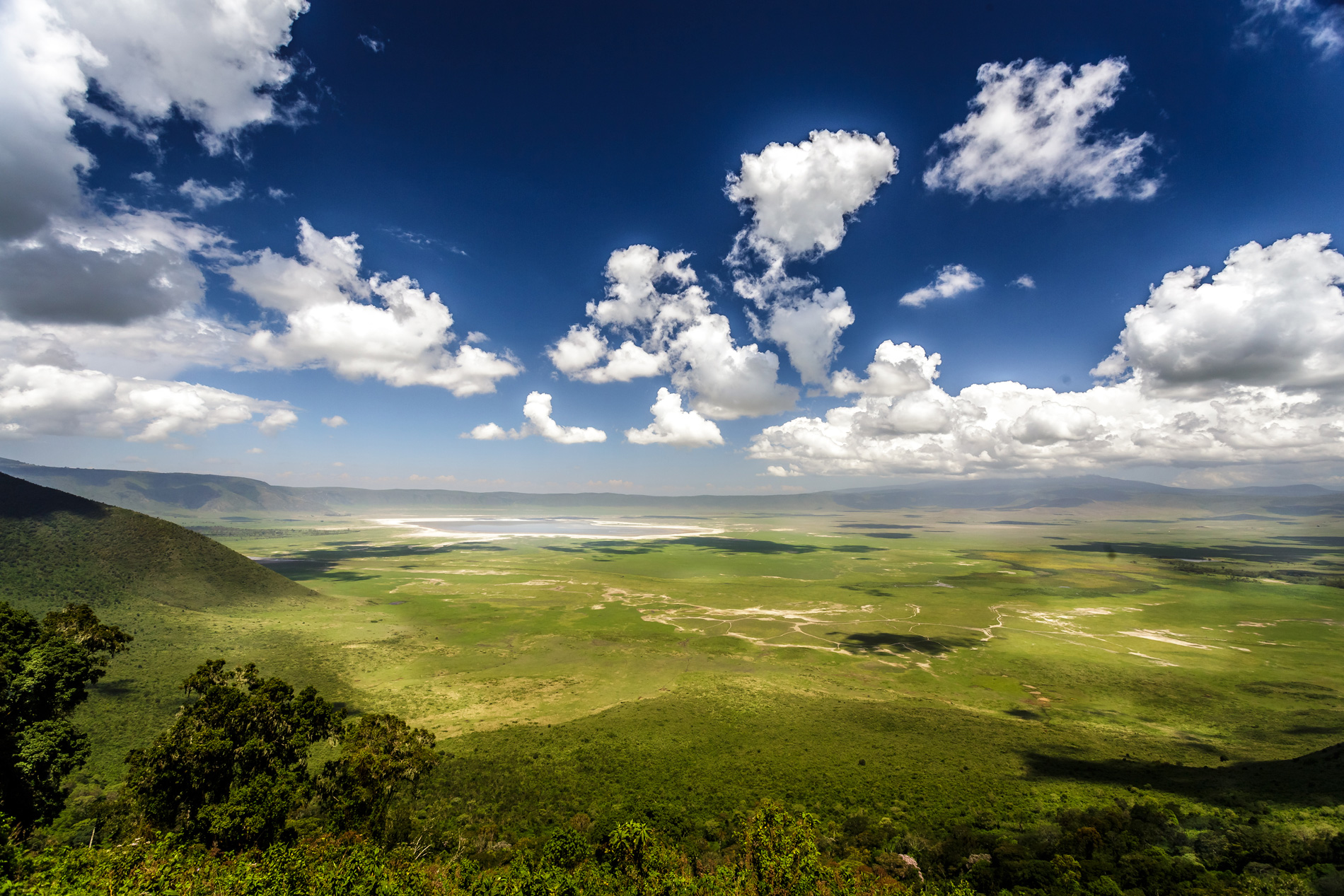
5:30am wake-up. A flask of hot coffee, breakfast pastries, and on the road by 6:15 to be at the descent road by sunrise. The crater road drops 600m in tight switchbacks; the rim sits at 2,300m and the floor at 1,700m, and the morning view down is one of the trip's defining moments. By 7:30 you are on the floor for what is, hour-for-hour, the highest concentration of large mammals on earth - around 25,000 in 260 square kilometres. Resident lion prides are habituated and routinely nap in the open. Old bull elephants live in the fever-tree forest. Cape buffalo herds graze with zebra and wildebeest. Black rhinos - around 30 animals - constitute the morning's Holy Grail; sightings are about 50 percent at this season and patience pays off. Hippos cluster in the pool. Picnic lunch at the hippo-pool picnic site (mind the kites - they will mug you). By 2:30pm you ascend the steep crater road back to the rim, then begin the 4-5 hour transfer to Arusha, including a stop at an Arusha-region coffee farm cafe. Drop at your Arusha hotel or onward connection around 7:00pm.
- Sunrise descent into the caldera
- Possible black rhino sighting
- All Big Five often visible from one vehicle
What you'll see
Sighting probability across all parks visited.
Plains zebra
Common
Blue wildebeest
Common
Cape buffalo
Common
Hippopotamus
Common
Warthog
Common
Maasai giraffe
Common
Grant's gazelle
Common
Thomson's gazelle
Common
Common impala
Common
Olive baboon
Common
Vervet monkey
Common
Kirk's dik-dik
Common
Banded mongoose
Common
Lion
Likely
African elephant
Likely
Spotted hyena
Likely
Topi
Likely
Coke's hartebeest
Likely
Greater and lesser flamingo (Manyara)
Likely
Leopard
Possible
Cheetah
Possible
Black rhino (Ngorongoro)
Possible
Black-backed jackal
Possible
Serval
Rare
Caracal
Rare
African wild dog
Rare
Aardvark
Rare
Honey badger
Rare
What a typical day looks like
- 06:00
Wake-up coffee or tea brought to your room
- 06:30
Game drive departure - predators most active at dawn
- 10:00
Hot breakfast in the bush: boiled eggs, sausage, fruit, coffee
- 11:00
Continue game drive
- 13:00
Lunch back at lodge or elaborate bush picnic with table and linens
- 14:00
Siesta, swim, or spa at the lodge
- 16:00
Afternoon game drive - predators active again
- 18:30
Premium sundowner setup with table linens and a private bartender at a kopje viewpoint
- 19:30
Multi-course dinner at the lodge with sommelier wine pairing
- 21:00
Bed - early start tomorrow
Fitness
Fitness Required
This is one of the most physically accessible serious wildlife trips on earth - no fitness minimum and no walking obligation beyond your room to the vehicle. We host travelers from age 8 through 85 on this itinerary. Recent surgeries, pacemakers, well-controlled chronic conditions, and limited mobility are all manageable with advance notice. The minimum age is set at 8 because some of our luxury lodges have age policies and because the longer driving days suit slightly older children better. The genuine demands are different from a trek. You will sit in a Land Cruiser for 6-8 hours daily, much of it on washboard gravel. The Day 2 transfer to Serengeti is around 6 hours with stops. The Day 5 return drive to Arusha is the longest single sit of the trip - around 6 hours. Lower back fatigue is the most common physical complaint we hear; bring a small inflatable lumbar cushion if you have any history of back issues. Pop-up roofs mean most photographers stand for hours; legs and shoulders fatigue by Day 3 in a way that surprises people. Motion sickness is more common on safari than first-timers expect. The combination of unpaved roads, frequent stops for sightings, and the lurching pop-up roof is harder on the inner ear than expected. Bring Dramamine, Stugeron, Bonine, scopolamine patches, or ginger products if you are at all prone. Sit in the middle row of the vehicle rather than the rear bench - the back axle bounce is real. Early mornings cannot be avoided. The crater day in particular starts with a 5:30 wake-up. Some Serengeti drives leave at 6:00. Predators are dawn-active and the best sightings come before 9am, so the schedule is what it is. The sun at this latitude is constant and intense. The pop-up roof gives shade but you spend hours standing in equatorial UV. SPF 50, wide-brim hat, polarised UV sunglasses, lip balm with SPF, lightweight long-sleeve shirts. Hydrate constantly - we keep three litres of bottled water per person per day in the cool box. Dust is a daily reality. Asthma, COPD, or significant sinus problems need a thin face covering (a buff works well) and any rescue medication. Altitude is mild but worth noting: Ngorongoro rim sits at 2,300m, which can affect a small minority of travellers (mild headache, shortness of breath at night). One night at altitude is rarely a problem; consult your physician if you have cardiac or pulmonary history.
What's Included
- Park & conservation fees
- Professional safari guide
- Premium lodge accommodation
- All meals on safari
- House beverages (soft drinks, beer, house wine)
- All game drives in a private 4x4
- Airport & hotel transfers
- Bottled drinking water in the vehicle
Not Included
- International flights
- Tanzania visa
- Tips for guide & lodge staff
- Alcoholic & soft drinks
- Travel & medical insurance
- Items of personal nature (laundry, calls, souvenirs)
- Optional activities (hot air balloon, spa, walking safari)
Before you go
FAQ
What animals will I definitely see?
What animals are the rarest?
How close do we get to the animals?
Are the vehicles air-conditioned?
What about meal quality?
Is it safe? Will lions attack the vehicle?
How much should I tip?
Can I customize this trip?
You might also like
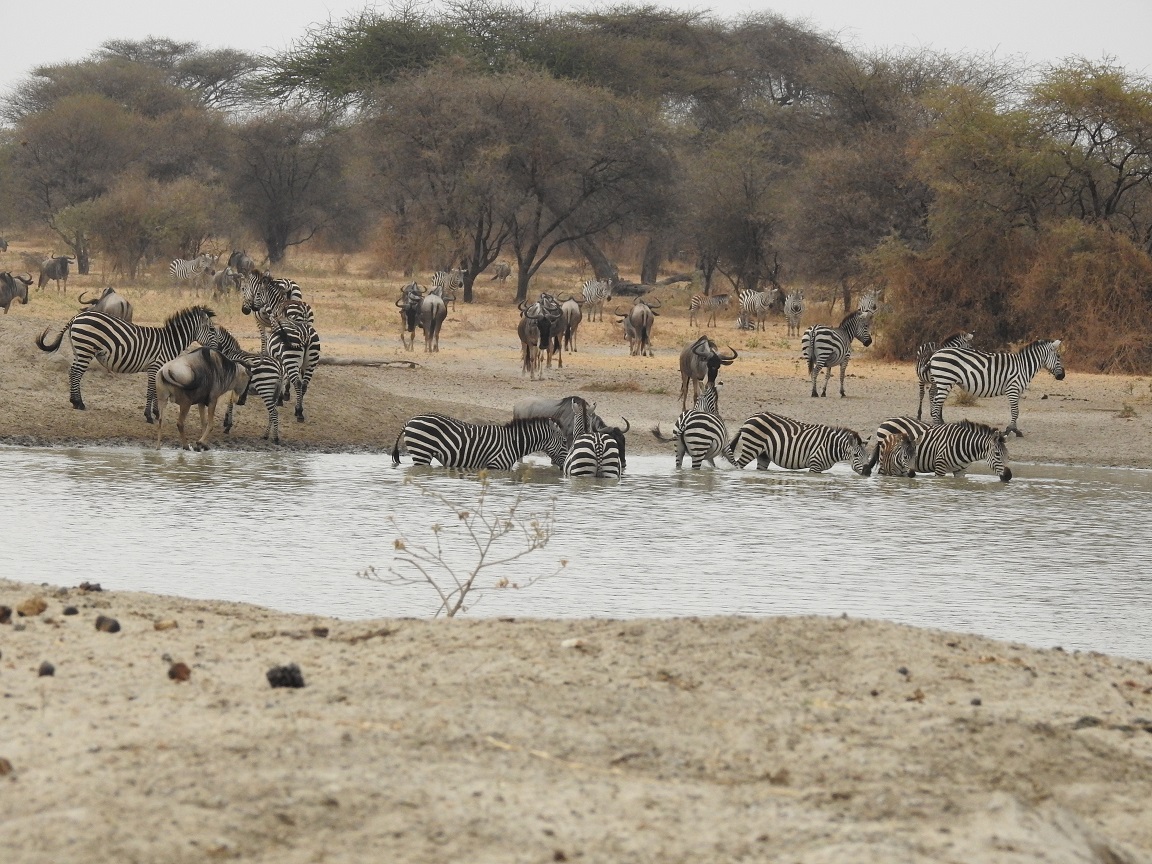
3-Day Tanzania Lodge Safari
Extended safari adding Lake Manyara to Tarangire and Ngorongoro. Ideal for tree-climbing lions and flamingos.
4-Day Tanzania Lodge Safari
Safari including Serengeti (1 night) along with Tarangire and Ngorongoro. Experience the endless plains of the Serengeti.
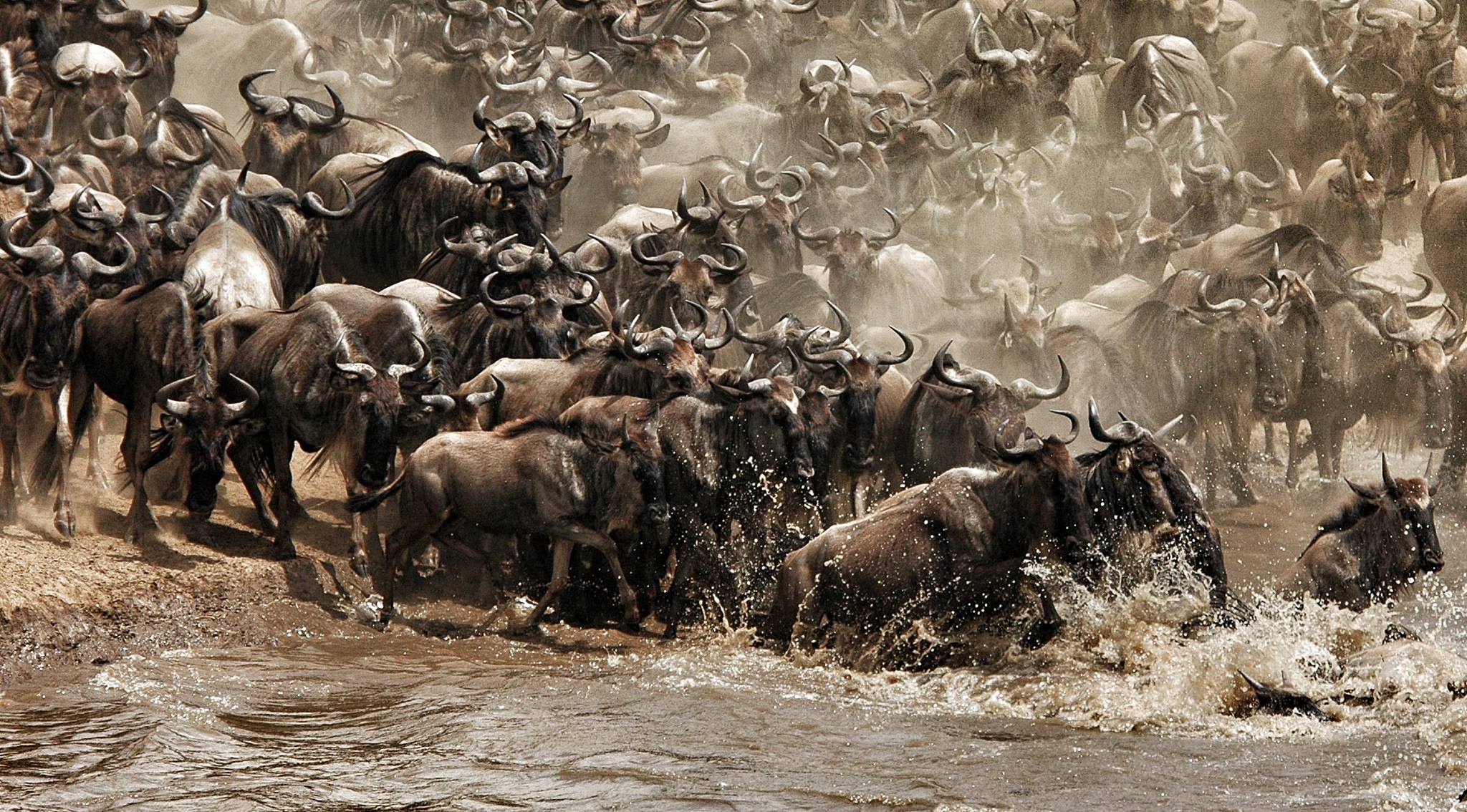
7-Day The Great Migration Safari
Designed to follow the wildebeest migration (location varies by season: North/Kogatende, South/Ndutu, or West). Flies out of Serengeti on the last day.
11-Day Safari in Tanzania and Zanzibar
Comprehensive safari including cultural visits (Hadzabe tribe) and a beach holiday in Zanzibar. The ultimate Tanzania experience.
Ready to start planning your adventure?
5-Day Tanzania Luxury Safari
Free cancellation: 60 Days